.png)

Dublin Marathon 2027: Date, Course, Entry And Charity Places
Updated: 7 hours ago
The Dublin Marathon takes runners from the city centre through Phoenix Park, past historic landmarks and into neighbourhoods where local support is a large part of the experience. The route has plenty of character, along with enough hills to make sensible pacing important.
Getting a place takes planning. General entries are allocated through a ballot, while charity places and other entry routes offer alternatives. The 2027 date and entry details have been announced by the organiser. Read on for all the information you need.

The Destination
Dublin is a rewarding city for a marathon weekend. Trinity College, St Patrick’s Cathedral and Dublin Castle are all within reach of the centre, while its pubs, restaurants and live music give runners plenty to enjoy after the race.
Temple Bar is one of the best known places to visit, although its cobbled streets and busy evenings may be more appealing once you have finished the marathon. The Guinness Storehouse is another popular stop if you are staying longer. There is no need to squeeze a full sightseeing itinerary into the day before running 26.2 miles.
Choose accommodation with race morning in mind. For 2026, the start is on Leeson Street Lower and the finish is on Mount Street Upper, close to Pepper Canister Church. Check the 2027 start and finish locations when they are confirmed, then look at the journey to the start rather than judging a hotel by its distance from the city centre alone.
History Of The Dublin Marathon
The first Dublin Marathon took place in 1980. Since then, it has grown into one of Europe’s major city marathons, attracting runners who want both a substantial event and a race that feels closely connected to its host city.
The marathon was traditionally held on the October bank holiday Monday before moving to Sunday in 2016. The physical race was not held in 2020 or 2021, so the organiser describes the 2026 event as the marathon’s 45th running.
Who Organises The Dublin Marathon?
The Irish Life Dublin Marathon is organised by Marathon Events DAC. Its Race Series also includes the Irish Life Fingal 10K, Irish Life Frank Duffy 10 Mile and Irish Life Dublin Half Marathon.
Those shorter races take place in the months leading up to the marathon and give runners other opportunities to race in Dublin. The organiser has said the 2026 Race Series is sold out, with details of the 2027 events to follow.
When Is The Dublin Marathon 2027?
The race will be held on Sunday 24 October.
Late October in Dublin can bring cool temperatures, rain and wind. Conditions may also feel different across the course, especially in more open parts of Phoenix Park. Prepare for a range of weather and make your final clothing choice from the race day forecast.
Dublin Marathon Expo
For 2026, runners must collect their race number and pack in person at the expo at RDS Simmonscourt on the Friday or Saturday before the race. Photo ID is required. The venue, opening hours and collection rules should be checked again when the 2027 race instructions are published.
If you are travelling to Dublin, give yourself enough time to reach the expo before collection closes. Once you have your pack, check your wave allocation, baggage instructions and route to the start so that race morning is straightforward.
Race Morning
The 2026 marathon starts on Leeson Street Lower, near St Stephen’s Green. Runners are assigned a wave using a previous race time or an estimated finishing time if they have not run a marathon before. The 2027 start location, wave times and access arrangements still need to be confirmed.
Allow plenty of time to travel, find the correct entrance, use the toilets and reach your wave. The city centre will be busy, and the distance from a transport stop to your assigned start area may take longer to cover than it appears on a map.
Ireland’s clocks move back by an hour on the final Sunday of October. If the 2027 marathon falls on that weekend, check that your phone, watch and alarm have adjusted before you leave for the start.
Dublin Marathon Course
The published 2026 route begins on Leeson Street Lower and finishes on Mount Street Upper. It travels through central Dublin, Phoenix Park and a series of residential neighbourhoods before returning towards the city centre. The route mixes downhill and flatter stretches with climbs, including a particularly demanding section late in the race.
The 2027 course has not yet been released. Use the official map when it appears to confirm the exact route, refreshment stations and suitable places for supporters to watch.
Leeson Street And The Liberties
The race begins with a downhill stretch from Leeson Street towards St Stephen’s Green. It is an exciting opening, but the slope can encourage runners to begin faster than they intended.
The route then heads through the Liberties and past St Patrick’s Cathedral. Patrick Street brings the first noticeable climb towards Christ Church before runners descend towards the River Liffey and cross to Dublin’s Northside. Let your effort guide you over these changing gradients rather than trying to hold the same pace on every street.
Phoenix Park And Castleknock
At around 6K on the 2026 route, runners enter Phoenix Park. The course passes Dublin Zoo and continues along Chesterfield Avenue, giving the marathon one of its most memorable early sections. The route leaves the park near Castleknock, where there is a short climb, before returning through Knockmaroon Gate. Runners then descend towards Chapelizod. You may feel settled by this point, but it is still early in the marathon and there is little to gain from pushing the pace.
Inchicore, Crumlin And Halfway
After Chapelizod, the course continues towards Inchicore and passes Kilmainham Gaol. The roads become more undulating as runners approach Dolphin’s Barn and Crumlin Road, where the 2026 route reaches halfway. These kilometres can reveal whether the opening pace was comfortable or merely felt comfortable because of the early descents. Keep to the fuelling plan you practised in training and resist the temptation to force the pace whenever the road rises.
Templeogue And Terenure
Beyond halfway, the 2026 course offers flatter running through Cromwellsfort Road and Fortfield Road before descending along Templeogue Road into Terenure. Here, support from people along the route helps give the marathon its neighbourhood atmosphere. This is a useful point to assess how you feel. Even if you are running well, the hardest sustained climbing is still ahead. Staying controlled through this section gives you a better chance of managing the final 10K.
Dartry And Heartbreak Hill
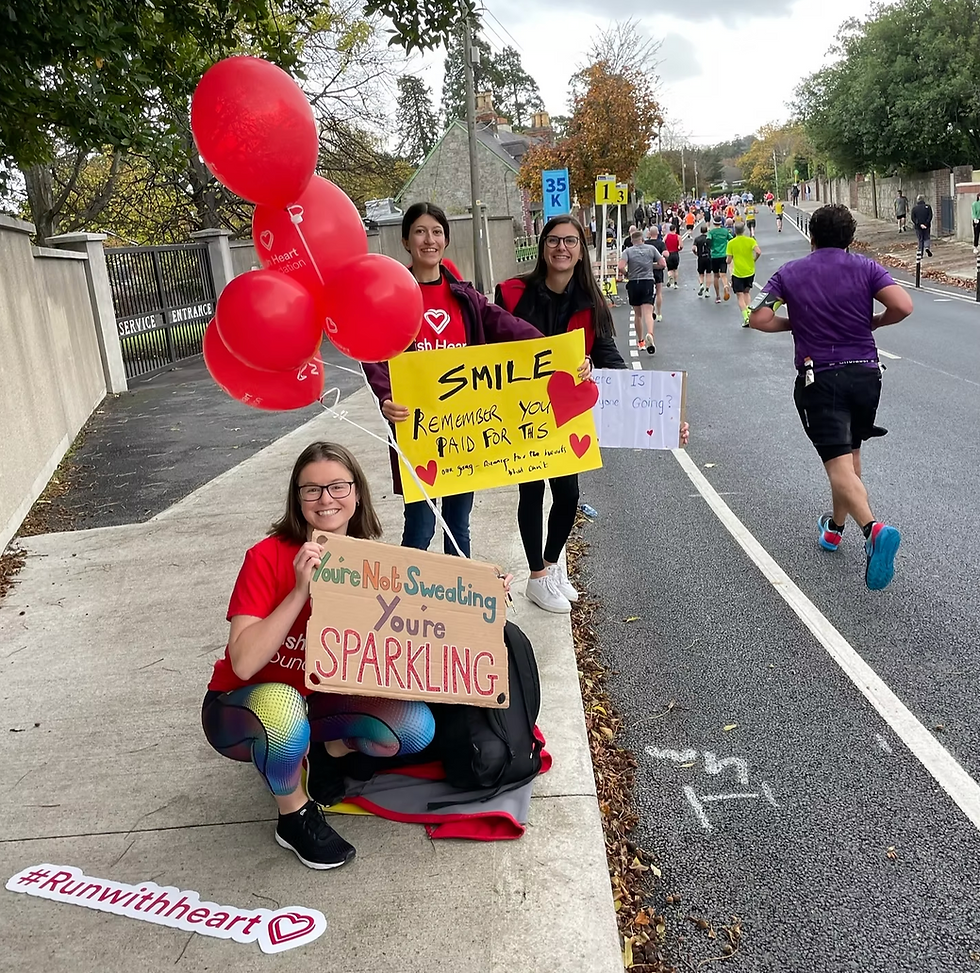
The route descends along Dartry Road before climbing on Milltown Road. A longer uphill section follows along Clonskeagh and Roebuck Roads, leading to the climb known as Irish Heartbreak Hill at around 35K. The hill arrives when many runners are already feeling the distance. Shorten your stride if necessary and concentrate on maintaining a manageable effort. Reaching the top with something left for the closing kilometres matters more than trying to preserve an exact split on the climb.
Merrion Road And The Finish
After the late climbs, runners descend along Fosters Avenue, continue towards Stillorgan Road and turn onto Nutley Lane near RTÉ. At around 38K, the route heads onto Merrion Road, passes the RDS and approaches the finish on Mount Street Upper. The return towards central Dublin brings growing support and a welcome sense that the finish is close. It is a rewarding conclusion to a course that asks runners to work for their medal.
How Difficult Is The Dublin Marathon Course?
Dublin is not a flat marathon. Its early downhill sections, rolling middle miles and late climbs make it harder to judge by looking at any single part of the route.
Good preparation makes those changes easier to manage. Include hills in training, practise fuelling while running and start at a pace that leaves you able to handle Roebuck Road late in the race.
The organiser’s current entry waiver says runners must be able to complete the marathon in under seven hours of net time. Check the 2027 rules for the time limit and when the course will reopen to traffic.
What Makes The Dublin Marathon Special?
Phoenix Park is a highlight, but the marathon’s appeal extends well beyond its best known landmarks. The route moves through different parts of Dublin, and support from local communities helps carry runners through the sections away from the city centre.
The race also makes a good reason to visit Dublin. You can focus on the marathon before enjoying more of the city afterwards, whether that means exploring its history, finding somewhere for a meal or finally having that Guinness.
Is The Dublin Marathon A Fast Course?
Dublin can produce a fast result for a runner who prepares well and judges the course sensibly. It is less forgiving of an ambitious start than a consistently flat marathon, because some of its most demanding climbing comes after 30K.
If you are targeting a personal best, aim to manage your effort rather than chase identical splits over every hill. A controlled first half gives you a much better opportunity to run strongly once the course turns back towards the finish.
Is The Dublin Marathon Good For First Time Runners?
Dublin can be a good first marathon for someone who is comfortable training for its hills. It offers the atmosphere of a major city race and support along much of the route, while the varied course gives runners plenty to focus on as the kilometres pass.
First time runners should pay particular attention to pacing. Practise your nutrition during long runs, prepare for the later climbs and work through the expo and start arrangements before race weekend. Check the confirmed 2027 time limit when entry details are released.
How To Enter The Dublin Marathon 2027
The general entry ballot for the 2027 Dublin Marathon opens on 12 November 2026 and closes on 17 November. It costs €4 to enter. If you are unsuccessful, the €4 will be refunded; if you secure a place, it will be deducted from the €130 race entry fee. Apply through the official Dublin Marathon website and check there for the closing date and results timetable when they are published.
Other entry routes have included Good For Age applications, charity places and packages through international tour operators. Meeting a Good For Age standard did not automatically guarantee a place in 2026, so check the 2027 criteria carefully if that is your intended route.
The race has also operated an official transfer process for runners who can no longer take part. If you seek a transferred place, use only the organiser’s authorised system. An informal exchange of race numbers does not give you a valid entry.
Running The Dublin Marathon 2027 For Charity
A charity place offers another way to run Dublin while supporting a cause. The event’s official charity programme has worked with charities in Ireland and internationally, with places available to runners who are accepted onto a charity team and agree to its fundraising requirements.
Each charity sets its own terms. Before applying, ask about the fundraising target, any registration payment, when your entry will be confirmed and the support you will receive. Applying to a charity does not itself guarantee a place.
You can also fundraise if you secure your own marathon entry. In that case, you have obtained your place independently and can choose a cause to support without using one of the charity’s allocated entries.
Our Verdict
The Dublin Marathon offers an engaging route, strong local support and a city that is easy to enjoy beyond race day. Phoenix Park and the closing return towards the centre are highlights, but the neighbourhoods between them are just as important to the experience.
Respect the hills, particularly those late in the race, and Dublin can be a memorable choice for a first marathon or another addition to a growing collection of medals. It rewards runners who arrive prepared, begin patiently and take time to enjoy where they are running.


Comments