.png)

Loch Ness Marathon 2026: Everything You Need To Know
The Loch Ness Marathon is one of the most distinctive marathons in the UK, taking runners through the spectacular Scottish Highlands and along the shores of one of the most famous lochs in the world before finishing in Inverness.
This is very different from a major city marathon. There are long stretches of beautiful Highland countryside, relatively few spectators through parts of the course and enough changes in elevation to make pacing important. What you get in return is spectacular scenery, excellent organisation and a race weekend that attracts runners from across the UK and around the world.
The Loch Ness Marathon 2026 takes place on Sunday 27 September 2026, with the marathon starting at 10am. General marathon entry has already sold out, but charity places may still provide an opportunity to take part.

About Loch Ness And Inverness
Loch Ness stretches for around 23 miles through the Scottish Highlands and is famous throughout the world because of the enduring legend of the Loch Ness Monster. Whether Nessie exists or not, the loch itself is impressive enough. At its deepest point it reaches more than 200 metres and contains more water than all the lakes in England and Wales combined.
Inverness, at the northern end of Loch Ness, provides the base for marathon weekend and is known as the capital of the Highlands. Despite the remote feel of the marathon course, Inverness has its own airport as well as rail connections with other major UK cities.
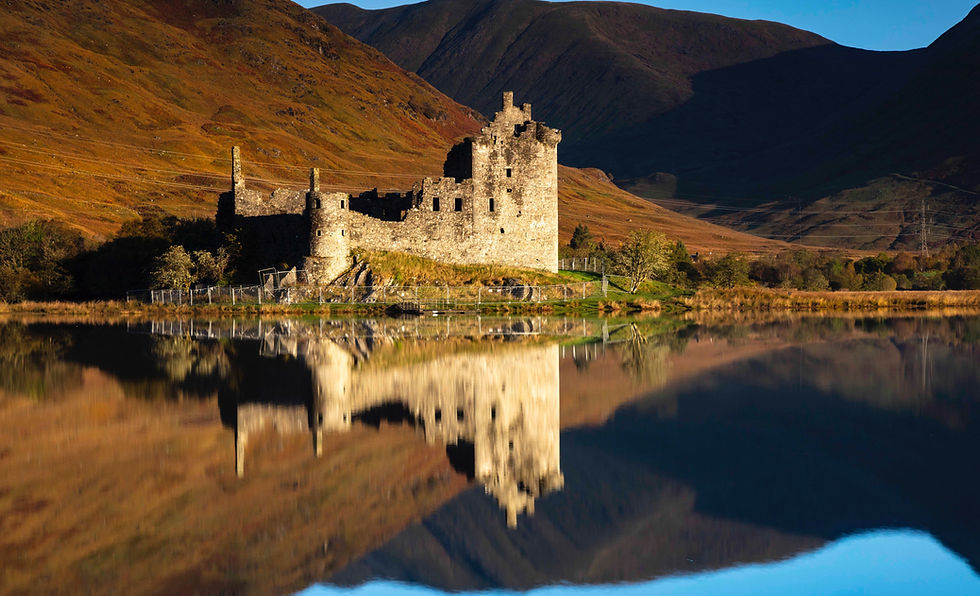
There is plenty to explore if you extend your stay. Urquhart Castle sits dramatically beside Loch Ness and is one of the most recognisable historic sites in the Highlands, while the Loch Ness Centre at Drumnadrochit explores the history, science and legends surrounding the loch.
Making a weekend of the trip is one of the attractions of this particular marathon. The race may be the reason for travelling to the Highlands, but there is considerably more to see once you arrive.
The History Of The Loch Ness Marathon
The first Loch Ness Marathon was held in 2002 and Baxters has been associated with the event since its early years. What began as a relatively small Highland race has developed into an established international running weekend.
The event is now part of the London Marathon Group following the acquisition of the companies behind the Loch Ness Marathon and other Highland events.
Despite that connection, Loch Ness has retained a very different character from the London Marathon. This remains a point-to-point race through the Highlands where the landscape, the loch and the journey towards Inverness are fundamental parts of the experience.
Race Morning
One of the unusual features of the Loch Ness Marathon is that runners cannot simply make their own way to the start. The race begins in a remote location between Whitebridge and Fort Augustus on the south side of Loch Ness, so official coach transport is an important part of race morning.
Marathon runners are transported from Inverness Ice Centre on Bught Drive, around a ten-minute walk from the Event Village. Runners need to arrive between 7am and 7:30am, with buses departing between 7:30am and 7:50am. The journey to the start takes approximately an hour and the coach from Inverness does not need to be booked in advance.
There are additional coach pick-up points around Loch Ness for runners staying outside Inverness, but these must be pre-booked. There is no spectator or private vehicle access to the marathon start because of traffic restrictions and the logistical requirements of the event.
The Loch Ness Marathon 2026 starts at 10am in a remote moorland setting between Whitebridge and Fort Augustus. From there, there is only one way back to Inverness: 26.2 miles on foot.
The Loch Ness Marathon Course
The point-to-point course is one of the main reasons runners travel from around the world to take part in Loch Ness. Rather than completing laps or weaving repeatedly through city streets, you begin in the Highlands and gradually make your way north towards Inverness.
The opening section contains plenty of downhill running as the course heads towards Foyers. That can make the first few miles feel relatively comfortable, but it also creates one of the biggest pacing traps of the marathon. Running the descents too aggressively while your legs are fresh can make the later miles considerably harder.
The course passes through the countryside around Whitebridge before approaching Foyers, the largest settlement on this side of the loch. Nearby are the Falls of Foyers, where the River Foyers drops dramatically into a wooded gorge before eventually reaching Loch Ness.
You won't see everything from the road, but this section gives you a good indication of just how different this race is from a typical city marathon.
From Foyers the route continues north along the south-eastern side of Loch Ness. The loch increasingly dominates the scenery, with long views across the water and the surrounding Highland landscape providing the backdrop.
Around halfway you are still running beside Loch Ness. There aren't the continuous crowds or entertainment that you would experience in London, Berlin or another major city marathon, but the relative isolation is part of the attraction. On a clear day this is one of the most spectacular sections of any UK road marathon.
The route eventually reaches Dores, close to the northern end of Loch Ness. Dores Beach offers wonderful views back down the length of the loch and this is also one of the better locations for spectators.
The marathon becomes more demanding after Dores. From around mile 17 the course moves away from Loch Ness and heads through more open countryside. After passing Aldourie there is a significant uphill section, with much of the next couple of miles spent climbing.
That is a difficult place to encounter one of the biggest challenges of the race. By mile 17 your legs have already absorbed plenty of downhill running, so runners who have been sensible during the opening half should begin to benefit.
Beyond mile 19 the course starts descending towards Scaniport. There is more downhill running through approximately miles 20 and 21 before another uphill section around the 21-mile point.
The course then becomes considerably kinder as runners reach the outskirts of Inverness. With the hardest climbing behind you, the final miles take you towards the city and the River Ness.
At around mile 24 the finish is frustratingly close on the opposite side of the river, but there is still some work to do. The course continues towards Ness Bridge, crosses the River Ness and then follows the river towards the finish at Bught Park.
After the peace and isolation of much of the marathon, the finish provides a complete change of atmosphere. Supporters, music and the Event Village are waiting as you complete your journey from the Highlands into Inverness.
Is The Loch Ness Marathon Hilly?
There is considerable downhill running during the earlier part of the course, while the section from around miles 17 to 19 contains one of the most important climbs. There is then another descent followed by a further uphill section around mile 21 before the flatter closing miles into Inverness.
That combination makes pacing particularly important. The danger is not just running out of energy on the climbs, but doing too much damage to your legs on the early descents.
Including hills in your marathon training is therefore worthwhile, and controlled downhill running can be just as useful as practising the climbs. Loch Ness is a road marathon rather than a trail or mountain race, but anyone expecting a completely flat course because it follows a loch could be in for a surprise.
Water, Gels And Toilets
There are seven water stations and four gel stations along the Loch Ness Marathon course in 2026. Water is provided in 330ml recyclable plastic bottles with sports caps, while HIGH5 Energy Gel Aqua is available at the gel stations.
Portable toilets are provided at the marathon start and at every water station, with first aid support also available around the course.
As with any marathon, don't rely on race day to discover whether the supplied nutrition agrees with you. If you intend to use the HIGH5 gels, practise with them during your longer training runs.
Baggage And The Cut-Off Time
Runners can leave their kit bag at the marathon start. The event baggage vehicles then transport the bags back to the Event Village at Bught Park, where they can be collected after finishing.
The Loch Ness Marathon has a seven-hour cut-off, taking runners through to 5pm. Roads along the final three miles in Inverness begin reopening from 4:30pm and runners expecting to take longer than six hours 30 minutes are asked to use the pavement through this section.
A sweep bus follows the back of the field for runners who are physically or medically unable to complete the marathon.
The Event Village And Expo
The Event Village at Bught Park in Inverness is the centre of the Loch Ness Marathon weekend. Marathon runners must collect their event pack from pre-race registration between 10am and 6pm on Saturday 26 September 2026. Photo identification is required. If you cannot attend personally, somebody else can collect your pack provided they have their own photo identification and the required signed authorisation from you.
The Sports Expo and Runners' Café are also open from 10am until 6pm on Saturday, providing somewhere to pick up final information, browse the stands and meet other runners.
On Sunday the Event Village is open from 9am until 4pm, with the Expo, street food, children's activities and entertainment adding to the festival atmosphere. Pipes and drums and live music provide a suitably Scottish backdrop to the finish.
More Than A Marathon
The marathon is the headline event but it forms part of a much bigger running weekend.
The River Ness 5K starts at 9:30am, followed by the Loch Ness Marathon at 10am and the River Ness 10K and Corporate Challenge at 10:30am. There is also the Wee Nessie event for younger children.
The shorter races are centred much more closely around Inverness than the marathon, making them useful options for friends or family who want to take part without running 26.2 miles.
Spectating At The Loch Ness Marathon 2026
This isn't the easiest marathon for spectators to follow because much of the course runs through relatively remote countryside and there is no spectator access to the marathon start.
The organisers recommend the final four miles through Inverness as the best area for spectators. Bught Park is the obvious place to be for the finish, particularly because the Event Village provides food, entertainment and activities while supporters wait.
Dores can also provide an atmospheric point along the route, but anyone planning to watch away from Inverness needs to consider the road closures and travel restrictions carefully.
What Is The Weather Usually Like?
Late September in the Scottish Highlands can produce very changeable weather. Cool temperatures can be excellent for marathon running, but rain and wind are always possibilities.
The remote start makes pre-race clothing particularly important. You will arrive well before the 10am start and could spend some time waiting in an exposed Highland location, so make sure you have something warm to wear before the race.
Don't assume that conditions in central Inverness will necessarily tell you exactly what it will feel like at the marathon start. Weather around Loch Ness can change quickly, so check the forecast close to race day and prepare for more than one possibility.
Running The Loch Ness Marathon For Charity
Charity fundraising is an established part of the Loch Ness Marathon and the event works with a selection of charity partners.
It is particularly relevant in 2026 because general entry to the marathon has sold out, while runners may still be able to secure a place through one of the participating charities.
Fundraising requirements vary between organisations, so check directly with the individual charity before committing to a place.

How To Enter The Loch Ness Marathon
General entry for the Loch Ness Marathon 2026 has now sold out. Anyone hoping to take part on 27 September should investigate the remaining charity opportunities through the official event website.
If you have missed out completely this year, the next Baxters Loch Ness Marathon has already been confirmed for Sunday 26 September 2027, and runners can register their interest ahead of entries opening.
The popularity of the 2026 event suggests that entering early is sensible if Loch Ness is a marathon you particularly want to run.
Our Verdict
The Loch Ness Marathon offers something very different from the big city marathons. There aren't huge crowds lining every mile and there will be stretches where the Highland landscape provides most of the atmosphere. For runners who rely on constant spectator support, that is worth considering. For many others, it is exactly what makes the race special.
This also isn't the completely flat marathon you might imagine from a race that spends so much time beside a loch. The early descents and later climbs make pacing important and give the course a character of its own.
Combine that course with the views across Loch Ness, the Highland setting, the point-to-point journey and the finish beside the River Ness and you have one of the most memorable road marathons in the UK.
And while your chances of seeing Nessie during the 26.2 miles remain fairly slim, there should be more than enough spectacular scenery to compensate.


Comments