.png)

Running Injury Free; Episode 1 - Expert tips to spot, prevent, and recover from running injuries for stronger, healthier miles
- Sapphire Running Team

- 3 days ago
- 3 min read
Updated: 3 hours ago
Welcome to the world of running, where the joy of hitting the pavement can sometimes be overshadowed by the risk of injuries. In this first part of our podcast series on physios and injuries, we delve into the vital topic of running injuries, exploring when to push through discomfort and when to seek professional help. Join us as we speak with expert physiotherapist Gary Bissell, who shares invaluable insights on managing running-related injuries.
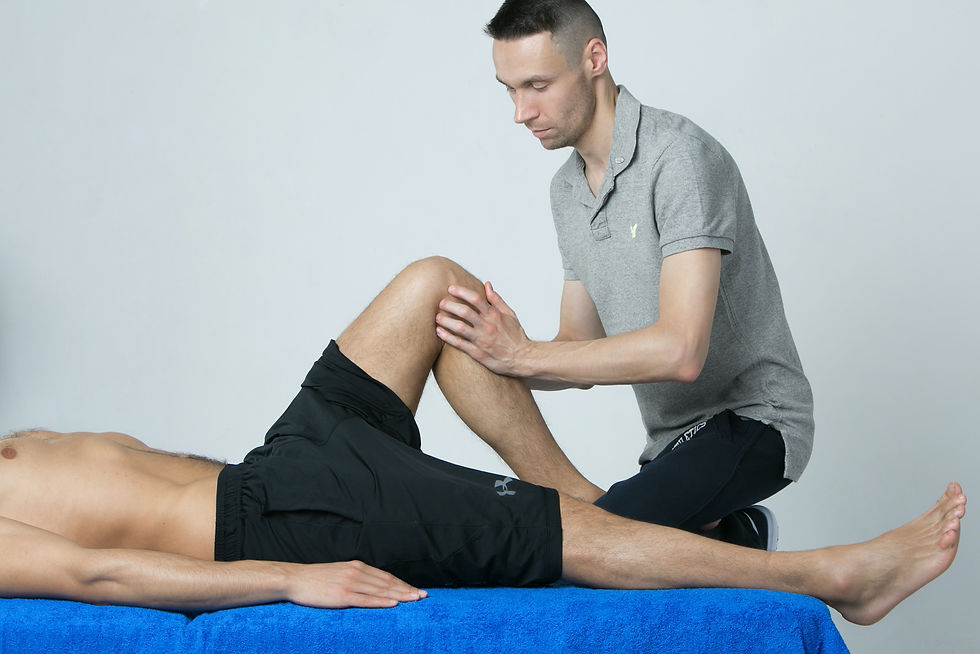
HAVE A LISTEN HERE
The Importance of Stress in Running
Running is not just about putting one foot in front of the other; it involves applying the right amount of stress to your body to facilitate growth and adaptation. According to Gary Bissell, the key to successful training lies in understanding that stress can lead to both improvement and injury. He explains that while the cardiovascular system adapts quickly to training, other body structures such as tendons and ligaments take longer to adjust. This disparity can lead to injuries if runners increase their training load too quickly. A famous guideline known as the "10% rule" advises that runners should only increase their mileage by 10% per week to avoid overloading their bodies.
The Role of Rest in Recovery
Many runners struggle to understand the critical role of rest in their training schedules. Gary emphasises that rest is not just a day off; it's a crucial period for the body to recover and adapt to the stresses placed upon it during training. For novice runners, incorporating rest days into their training plan is essential for preventing injuries. He highlights that during sleep, significant recovery processes occur, including the release of growth hormones that help strengthen bones and muscles. Runners who neglect rest may find themselves at a higher risk of injuries, particularly if they are not getting enough restorative sleep.
Recognising the Difference Between Discomfort and Injury
As runners, it's common to experience discomfort or soreness, but distinguishing between normal sensations and potential injuries can be challenging. Gary introduces the concept of Delayed Onset Muscle Soreness (DOMS), which typically occurs 24 to 48 hours after a new or intense workout. While some soreness is expected and indicates adaptation, excessive pain or localised discomfort may signal an injury. Runners are encouraged to monitor their symptoms closely and seek professional advice if discomfort persists or worsens.
Load Management and Listening to Your Body
Gary stresses the importance of load management, especially for beginners who may be eager to ramp up their training. It's crucial to listen to your body and be mindful of how much stress you're placing on it. If you notice persistent soreness or unusual pains, it may be time to reassess your training plan and make adjustments. Elite athletes often track their physical sensations daily, and beginner runners can benefit from adopting a similar practice to help prevent injuries.
Key Takeaways
In conclusion, understanding how to navigate running injuries is essential for all runners, whether you're a seasoned athlete or just starting. Remember to apply the right amount of stress to your body, prioritize rest for recovery, and be mindful of the signals your body sends you. By following these principles, you can enjoy a healthier, injury-free running journey.

HAVE A LISTEN HERE
Situated within ProHealth Clinic, ProPhysio offers specialist care for sports and running injuries, alongside expert treatment for a wide range of musculoskeletal conditions. We combine advanced biomechanical assessment with precision hands-on therapy and individually tailored rehabilitation programmes to address the root cause of injury and optimise long-term performance. Our modern clinic provides discreet, professional surroundings, easy access and ample parking, with early and late appointments available to suit busy schedules.
5 Greenfield Lane
Hoole
Chester
CH2 2PA
Tel : 01244 350550
Medical and Liability Disclaimer
This podcast is provided for general information and educational purposes only. It does not constitute, and should not be relied upon as, medical advice, diagnosis, or treatment. The content is of a general nature and is not intended to address individual circumstances.
Listeners should always seek independent advice from a suitably qualified and regulated medical or healthcare professional before taking or refraining from any action in relation to their health, injuries, or physical activity. Reliance on any information provided in this podcast is entirely at the listener’s own risk.
To the fullest extent permitted by law, neither The Sapphire Running Company nor ProPhysio UK, nor their respective directors, officers, employees, contractors, or guests, shall be liable for any loss, injury, damage, or adverse outcome (whether direct, indirect, consequential, or otherwise) arising out of or in connection with the use of, or reliance upon, any information contained in this podcast.
Nothing in this disclaimer is intended to exclude or limit liability where such liability cannot be excluded or limited under applicable law.


Comments