.png)

Should You Rotate Your Running Shoes? The Benefits Explained
Most runners start with a single pair of running shoes and use them for every training session until they eventually wear out. There is nothing wrong with this approach, particularly if you are new to running or only run a few times each week. However, as training becomes more varied, many runners begin to wonder whether owning more than one pair of running shoes offers any real advantages.
Shoe rotation has become increasingly popular in recent years, particularly as manufacturers have developed shoes designed for specific types of running. Many runners now have a cushioned shoe for long runs, a lighter model for speed sessions and a carbon plated shoe reserved for race day. The question is whether this approach genuinely benefits your running or simply results in spending more money on footwear.

What Does Rotating Running Shoes Mean?
Rotating your running shoes simply means alternating between two or more pairs rather than wearing the same shoes for every run. Some runners switch between two similar pairs of daily trainers, while others build a small collection with each shoe having a specific purpose.
For example, you might wear a highly cushioned shoe for recovery runs, a lighter and more responsive shoe for interval training and a carbon plated shoe for races. Even alternating between two everyday pairs of trainers throughout the week counts as rotating your shoes.
Why Do So Many Runners Rotate Their Shoes?
Every running shoe is slightly different. Cushioning, heel height, flexibility, weight and overall design all influence the way your body moves. Although these differences may seem small, they alter the forces travelling through your muscles, tendons and joints during every stride.
By regularly changing shoes, you introduce small variations in how your body is loaded.
Instead of repeatedly stressing exactly the same tissues in exactly the same way, your muscles and tendons share the workload slightly differently from one run to the next. This variation may help reduce the repetitive loading associated with many overuse injuries.
Many runners also report that their legs simply feel fresher when rotating shoes, particularly during periods of higher mileage or marathon training.
Can Rotating Running Shoes Help Prevent Injuries?
Several studies have suggested that runners who rotate between different pairs of shoes experience fewer overuse injuries than those who always run in the same pair. While shoe rotation is certainly not a guarantee that you will avoid injury, changing the way your body moves may reduce the repetitive stress placed on particular muscles and tendons.
This can be especially beneficial when training for longer events such as half marathons and marathons, where increasing mileage places greater demands on your body. Small reductions in repetitive loading can become increasingly valuable over weeks and months of consistent training.
Of course, rotating shoes is only one part of staying injury free. Following a sensible training plan, increasing your mileage gradually, including regular strength training and allowing adequate recovery between harder sessions remain the most important ways to reduce your injury risk.
Do Running Shoes Last Longer If You Rotate Them?
Rotating shoes does not necessarily mean you will get more total miles from each individual pair, but it can help them perform better throughout their lifespan. The cushioning materials used in modern running shoes compress during every run and benefit from having time to recover before being used again.
Alternating between two pairs also has practical advantages. If one pair becomes wet during a rainy run, you have another pair ready while the first dries naturally. This avoids the temptation to dry shoes using direct heat, which can damage the materials and shorten their lifespan.
Eventually every running shoe reaches the point where it should be replaced, but rotating between pairs can help maintain their comfort and cushioning for longer.
Should You Have Different Shoes For Different Runs?
Many experienced runners find that using different shoes for different types of training improves both comfort and performance. Daily running shoes are generally designed to provide cushioning and durability, making them ideal for easy runs and longer distances where comfort is the priority.
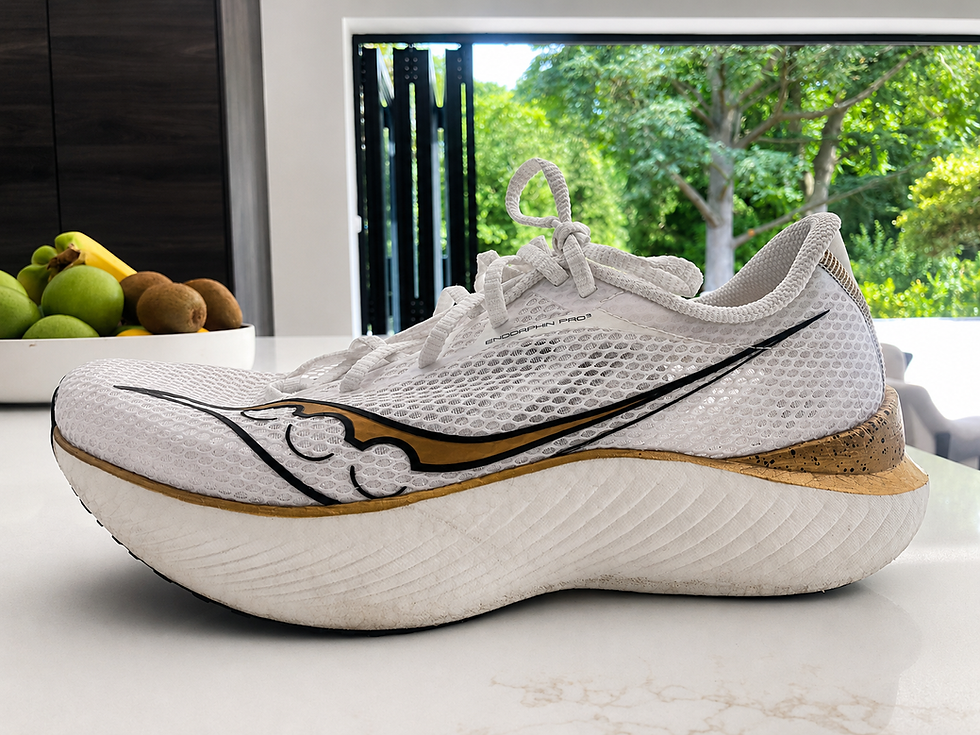
Lighter shoes often feel more responsive during tempo runs and interval sessions, allowing you to run faster with less effort. Carbon plated racing shoes are specifically designed for racing and key events, helping many runners improve their efficiency over longer distances.
Using each shoe for the purpose it was designed can also reduce unnecessary wear, helping expensive racing shoes last for more important occasions.
Do Beginners Need More Than One Pair?
If you are new to running, there is usually no need to buy multiple pairs of shoes straight away. One well fitted pair of running shoes that suits your gait and running style will comfortably meet the needs of most beginners while they build consistency.
As your training develops, adding a second pair may become worthwhile. Many runners find that simply alternating between two pairs of daily shoes provides most of the benefits of shoe rotation without requiring a large collection of specialist footwear.
It is always better to own two good quality pairs that suit your running style than several pairs that are unsuitable or uncomfortable.
Choosing The Right Running Shoes
No matter how many pairs of running shoes you own, choosing the correct type is essential. Neutral runners should wear neutral shoes, while runners who genuinely require additional support because they overpronate may benefit from stability shoes.
Wearing the wrong type of shoe can sometimes create unnecessary problems. For example, if you naturally have a neutral running gait but wear a stability shoe unnecessarily, the additional support can alter the way your foot and ankle move, potentially increasing the stress placed on your muscles and tendons. Equally, runners who need the support of a stability shoe but wear neutral footwear may not receive the control they require, which can also contribute to injury.
If you are unsure which category of shoe is most appropriate, visiting a specialist running shop for a gait assessment can help you choose footwear that matches your natural running style.
How Many Pairs Of Running Shoes Should You Own?
There is no perfect number because it depends on your training and your goals. Someone running two or three times each week may be perfectly happy with one pair of shoes, while a marathon runner completing easy runs, long runs, speed sessions and races may benefit from owning three or four different pairs.
The important point is not how many shoes you own, but whether each pair fits well, suits your running style and is being used for the purpose it was designed for. Buying more shoes than you need offers little benefit if they are rarely used.
Final Thoughts
Rotating your running shoes is not essential, but it can provide genuine benefits for many runners. Alternating between different pairs changes the way your body is loaded, may help reduce the risk of overuse injuries and allows each pair of shoes time to recover between runs.
If you are just starting out, focus on buying one good pair of running shoes that fits properly and matches your gait. As your mileage increases and your training becomes more varied, adding a second or third pair can improve comfort, help preserve your footwear and keep your legs feeling fresher throughout your training.


Comments