.png)

Why You Should Run For Charity: With Emma Walker
For many runners, signing up for a race is a personal challenge; a way to improve fitness, test endurance, or tick off a bucket-list event. Increasingly, runners are turning those miles into meaningful fundraising opportunities for charities close to their hearts. On this episode of the Sapphire Running Zone podcast, Emma Walker shared how “own place runners” are becoming one of the most valuable parts of modern charity fundraising. Emma works as a Senior Fundraiser for the Ayrshire Hospice, supporting runners taking part in events like the London Marathon, Edinburgh Marathon, Great Scottish Run, and local races across Scotland. Her message was simple: you do not need an official charity place to make a real difference.

HAVE A LISTEN TO THE PODCAST HERE
What Is an “Own Place” Runner?
In the charity running world, there are generally two types of participants:
Charity place runners: runners who receive an entry from a charity and commit to raising a fundraising target. This target is known as the pledge.
Own place runners: runners who secure their own race entry independently and choose to fundraise voluntarily.
While charity place runners are incredibly important, Emma explained that own place runners can actually have a huge impact financially because charities don’t need to pay for their race entry. For organisations like the Ayrshire Hospice, every saved cost matters. The hospice costs £8.7 million every year to operate, with £4.7 million coming directly from charitable donations and fundraising efforts. That means community support is not just appreciated; it is essential.
“Every single penny that they raise goes directly to support the hospice.”
Small Donations Create Huge Impact
One of the biggest misconceptions Emma hears from runners is that fundraising only matters if you raise hundreds or thousands of pounds. In reality, even modest donations can make a tangible difference. She shared a simple but powerful example: a £20 donation could provide Kodak photo paper, allowing hospice patients to create precious memories with loved ones during their stay. That emotional connection often resonates far more strongly than large fundraising targets.
“Even if it’s £20… every single penny matters.”
For many runners, that realisation removes the pressure and makes fundraising feel accessible rather than intimidating.
Why Storytelling Matters More Than Fundraising Targets
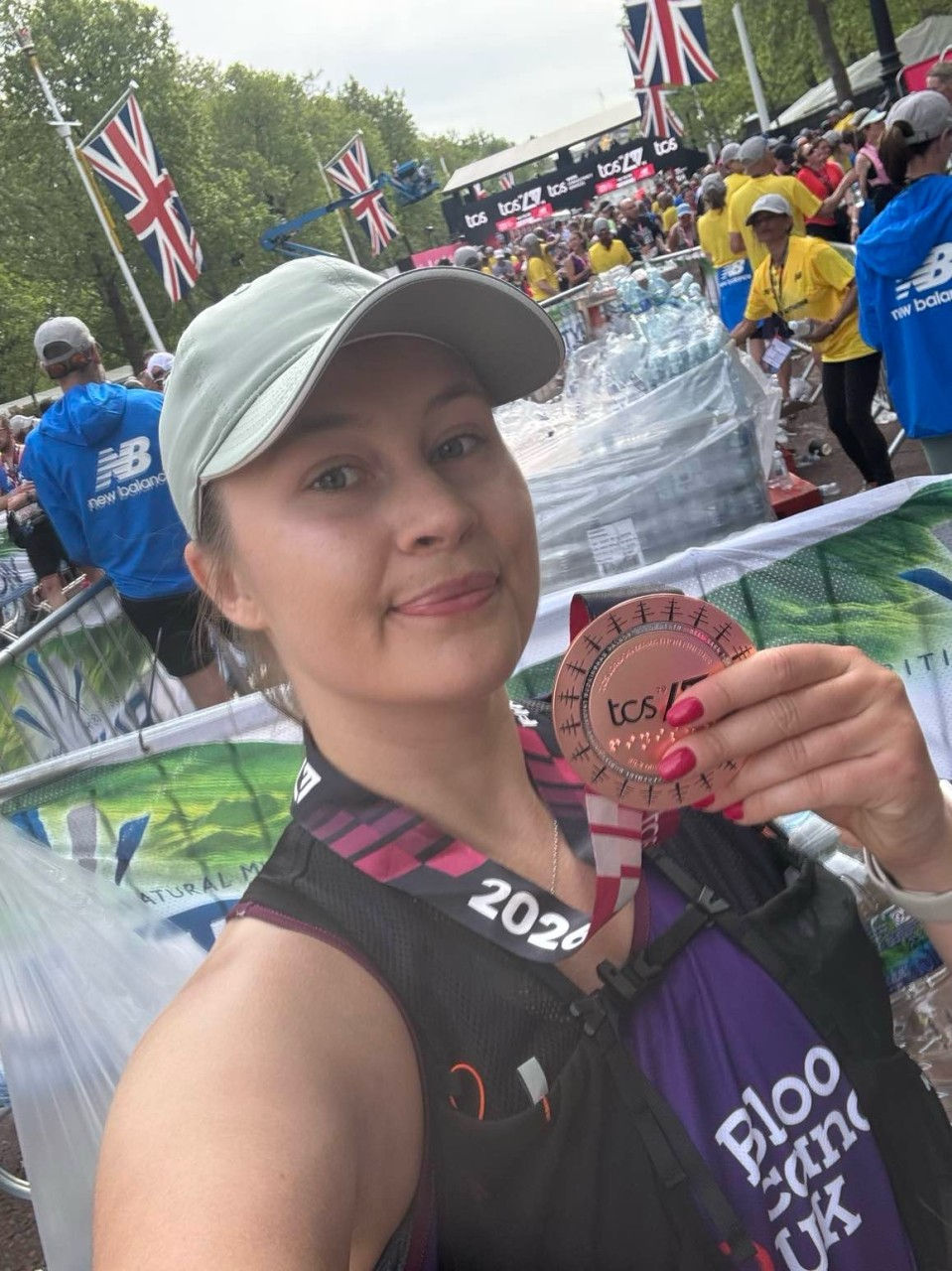
Throughout the conversation, Emma repeatedly returned to one idea: fundraising is not just about money. It is also about awareness, community, and human connection. Many runners participate in memory of a loved one or to support a cause that has touched their family directly. Others simply want to support an organisation that plays an important role in their community. Sharing that “why” is often the key to successful fundraising. Whether through social media posts, WhatsApp messages, race-day selfies, or short video updates, runners who openly share their journey tend to inspire the most support. She highlighted one London Marathon runner who steadily raised money over an entire year through raffles, race nights, and regular video blogs. The consistency, not just one big fundraising ask, made the difference.
“It’s all about consistency.”
The Emotional Power of Running for Charity
Training for a marathon or half marathon can be challenging under any circumstances. Adding fundraising on top requires time, emotional energy, and vulnerability. Emma believes running for a cause can also become a powerful source of motivation. When weather conditions were brutal during marathon training season in Scotland, she regularly checked in with runners, encouraging them through difficult long runs and reminding them why they started.
For many participants, fundraising transformed running from a personal challenge into something much bigger. As Emma described, some runners crossed finish lines in tears, not because of the physical achievement alone, but because of what the fundraising represented emotionally. The charity’s role, she explained, is to ensure every supporter feels seen, appreciated, and connected to the impact they are making.
That support includes:
Welcome emails and regular check-ins
WhatsApp groups for runners
Fundraising advice and materials
Opportunities to visit the hospice
Sharing patient and family stories
Race-day encouragement and celebration
The goal is to create a genuine community around the event experience.

If you'd like to join Emma's running team at Ayrshire Hospice you can find out more here
The Rise of Community-Led Charity Events
The podcast also explored how partnerships and community-led events are opening new opportunities for charities. Emma described the hugely successful Run the Runway at Glasgow Prestwick Airport, where runners completed races directly on the airport runway. Across two years, the event raised an astonishing £312,000, with the airport covering all operational costs, including medals, T-shirts, and logistics. The event demonstrated what becomes possible when communities, businesses, and charities work together.
Why More Runners Should Consider Fundraising
Perhaps the most compelling takeaway from the discussion is that fundraising does not need to be overwhelming. You do not need:
a huge social media following,
a dramatic personal story,
or a massive fundraising target.
You simply need a willingness to try.
As Emma emphasised, many runners are surprised by how supportive friends, family, and colleagues become once they share what they are doing. Even the smallest donations contribute to meaningful care for people facing life-limiting illness. For runners already planning to enter races, becoming an own place fundraiser could be one of the simplest ways to create lasting impact beyond the finish line. Sometimes, the most meaningful miles are the ones run for someone else.



Comments