.png)

Amsterdam Marathon 2027: Race Guide, Course And Entry Information
The Amsterdam Marathon is one of Europe's leading autumn road races, attracting thousands of runners to the Dutch capital. The event has developed an international reputation for fast performances, enthusiastic spectators and a memorable finish inside the city's historic Olympic Stadium.
The 26.2 mile route combines famous cultural landmarks with attractive riverside scenery, taking participants through several contrasting parts of Amsterdam. With its canals, museums and distinctive architecture, the city also provides an excellent destination for runners planning a European marathon break.

The Destination
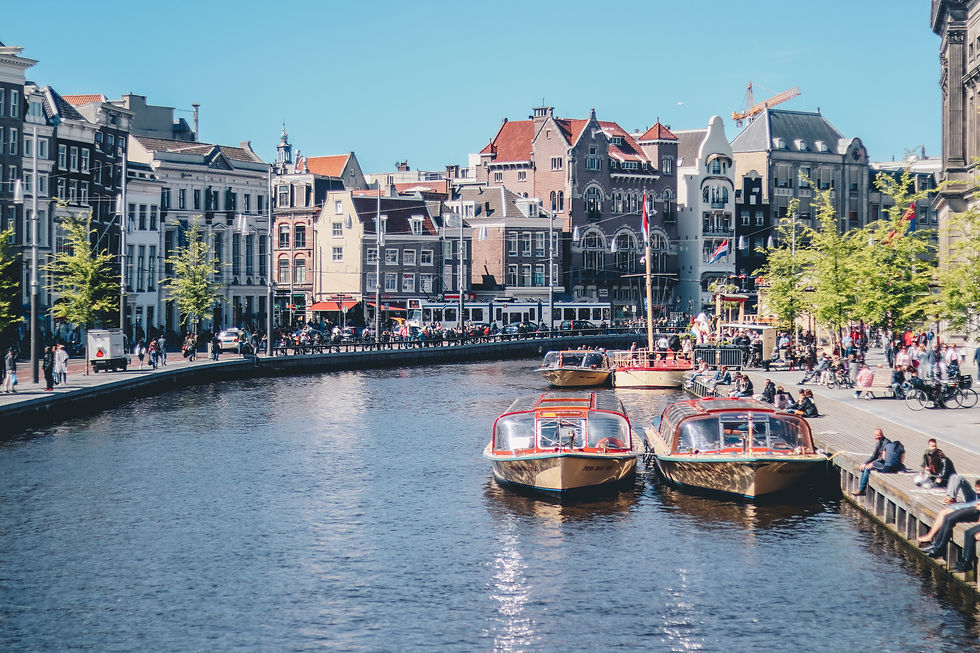
Amsterdam is the capital of the Netherlands and one of Europe's most recognisable cities, famous for its canals, historic houses and extensive cycling network. Much of the central canal system dates from the 17th century, when Amsterdam developed into an important international trading centre. Today, the canal ring forms part of a UNESCO World Heritage Site and remains central to the city's identity.
Among Amsterdam's most popular attractions are the Rijksmuseum, which houses an outstanding collection of Dutch art, and the Van Gogh Museum, dedicated to the celebrated painter's life and work. The Anne Frank House provides an important insight into the city's history during the Second World War, while the Jordaan neighbourhood is known for its attractive streets, independent shops and traditional cafés.
Amsterdam also offers plenty of green spaces, including Vondelpark, one of the city's most popular places for running and walking. The River Amstel provides another attractive setting for outdoor activities, with quieter paths and traditional Dutch scenery beyond the busiest central districts.
The city's extensive public transport network makes it relatively easy to explore, with trams, metro services and trains connecting the main neighbourhoods. Visitors planning a longer stay can also explore nearby destinations such as Haarlem, Utrecht and the surrounding countryside.
History Of The Amsterdam Marathon
The modern Amsterdam Marathon was first held in 1975, establishing an annual road running event in a city with a significant sporting heritage. Amsterdam had previously hosted the 1928 Olympic Games, and the Olympic Stadium built for those Games would eventually become one of the marathon's defining features.
Over the following decades, the event grew into an important fixture on the international marathon calendar. Its favourable course profile helped attract leading distance runners, while increasing participation brought recreational athletes from across Europe and further afield.
The race has produced several outstanding performances. In 2025, Kenya's Geofry Kipchumba established a men's course record of 2:03:30, improving the previous mark of 2:03:39 set by Ethiopia's Tamirat Tola in 2021. Almaz Ayana also produced a remarkable performance in 2022, winning the women's race in 2:17:20.
The marathon has expanded into a wider running festival, incorporating shorter distances and attracting participants of different ages and abilities. Its combination of elite competition and mass participation has helped establish a lasting place in the Dutch sporting calendar.
When Is The Amsterdam Marathon 2027?
The Amsterdam Marathon 2027 is scheduled for Sunday 31 October 2027, with the wider event weekend beginning on Saturday 30 October. These dates have been confirmed by the organiser, placing the marathon later in October than in previous editions.
The event traditionally includes a half marathon, a 7.5K race and activities for younger runners. The full programme and starting times for the different distances will be published closer to the event.
The marathon has a six hour completion limit under the current event regulations. Runners should review the 2027 participant instructions for any changes to the permitted finishing time or additional cutoff requirements.
Amsterdam Marathon 2027 Expo And Race Bib Collection
The Amsterdam Marathon Expo brings together runners, exhibitors and running brands ahead of the event. Participants can collect their race materials, explore running equipment and obtain practical information before race day.
For 2026, the organiser moved the expo and race bib collection to RAI Amsterdam, a major exhibition and conference centre in the southern part of the city. The venue is accessible by public transport and provides extensive space for exhibitors and participant services.
The 2027 expo location and opening hours have not yet been announced. Runners travelling internationally should check the organiser's instructions and allow sufficient time for race bib collection, which has been required in person for recent editions.
Race Morning
The Amsterdam Marathon uses starting areas around the Olympic Stadium, with participants allocated to designated waves. The large field means runners should check their starting location carefully rather than assuming everyone assembles inside the stadium.
Recent editions have used two principal starting areas, one inside the Olympic Stadium and another on Stadionweg. These arrangements allow the organiser to accommodate more participants while maintaining a common marathon route and finishing location.
Amsterdam's public transport network provides convenient connections to the southern part of the city, although road closures can affect normal journeys. The final 2027 starting arrangements, baggage facilities and access instructions will be published through the official participant information.

Amsterdam Marathon Course
The Amsterdam Marathon follows a predominantly flat route through the city, combining historic landmarks, residential neighbourhoods and stretches of riverside scenery. The established course begins in the Olympic Stadium area and returns to the same venue for the finish.
In April 2026, the organiser confirmed that the existing marathon route would be retained for the coming years following discussions about a possible course through the central tourist district. The following description reflects that established route, with precise street arrangements and kilometre positions subject to the final 2027 course map.
The Olympic Stadium And Opening Kilometres
The Olympic Stadium was built for the 1928 Olympic Games and remains one of Amsterdam's most important sporting landmarks. Its distinctive architecture and athletics heritage provide an impressive setting for the marathon. From the stadium area, runners head onto the surrounding streets before continuing through parts of southern Amsterdam. The opening kilometres feature broad urban roads and residential neighbourhoods as participants begin their journey through the city.
The Rijksmuseum
One of the course's most unusual features is its passage beneath the Rijksmuseum, where runners travel through the building's central passageway. The museum houses one of the Netherlands' most important art collections and is among Amsterdam's best known landmarks. The surrounding Museum Quarter is characterised by historic buildings, cultural attractions and attractive public spaces. This section provides a memorable contrast between the city's architectural heritage and the atmosphere of a major road race.
The River Amstel
The extended section alongside the River Amstel takes runners away from the busiest urban districts towards quieter surroundings. The river has played an important role in Amsterdam's development and remains one of the defining features of the surrounding landscape. This part of the route features waterways, bridges and more open scenery, offering a different perspective on the Dutch capital. The transition from densely built streets to the riverside environment is one of the course's most distinctive characteristics.
Eastern Amsterdam
After the Amstel section, the established route continues through eastern Amsterdam and its surrounding neighbourhoods. The scenery includes residential streets, wider roads and areas of modern development, reflecting the city's expansion beyond its historic centre.
The course eventually turns back towards the western districts, passing through further urban neighbourhoods before approaching the final stages. These sections introduce participants to parts of Amsterdam that are less familiar to many international visitors.
Vondelpark And The Olympic Stadium Finish
The closing stages take runners through Vondelpark, one of Amsterdam's most popular green spaces. Opened in the 19th century, the park is known for its landscaped paths, ponds and mature trees, providing an attractive setting towards the end of the marathon.
After leaving the park, participants return towards the Olympic Stadium for the final section of the race. The established finish takes runners onto the athletics track, where spectators surrounding the stadium create an exciting conclusion to the marathon.
How Difficult Is The Amsterdam Marathon Course?
Amsterdam is widely regarded as one of Europe's faster marathon courses because of its level terrain and absence of major sustained climbs. The route is particularly attractive to runners seeking personal bests or qualifying times for other events.
There are occasional bridges and changes in direction, but the overall elevation profile remains favourable for road running. The River Amstel section is more exposed than the central streets, and strong winds can make this part of the course more demanding.
Late October temperatures in Amsterdam are generally suitable for distance running,
although rain and unsettled weather are possible. Conditions can vary between years, making it important for participants to prepare for different weather scenarios.
What Makes The Amsterdam Marathon Special?
Amsterdam offers an unusual combination of Olympic history and modern international marathon running. The opportunity to complete the race inside a stadium originally built for the 1928 Games gives the event a distinctive identity and connects today's participants with nearly a century of sporting heritage.
Another attraction is the contrast between the city's cultural landmarks and its quieter surroundings. Participants experience both the architectural character of Amsterdam and areas beyond the familiar tourist districts, giving the marathon a broader sense of place.
The event's reputation for competitive racing adds another dimension, attracting leading international athletes alongside recreational runners. This combination of sporting history and international competition helps explain its enduring popularity.
Is The Amsterdam Marathon Good For First Time Marathon Runners?
The Amsterdam Marathon is a strong option for first time marathon runners who prefer a large, well established event. Its relatively straightforward terrain and extensive participant facilities provide a suitable setting for runners taking on the distance for the first time.
The six hour completion limit is an important consideration, particularly for participants expecting to finish towards the back of the field. Beginners should ensure their anticipated finishing time is compatible with the organiser's requirements and check whether any additional cutoffs apply.
The size of the marathon also means that runners need to understand their allocated starting arrangements and allow sufficient time to reach the correct area. For those travelling internationally, planning race bib collection and transport in advance will help make the experience more straightforward.
For beginners who are appropriately prepared and comfortable with the event's requirements, Amsterdam offers a rewarding introduction to marathon running.
How To Enter The Amsterdam Marathon 2027
The Amsterdam Marathon operates a direct registration system rather than a general ballot. Places are allocated through the official event website, and demand has been considerable in recent editions, with marathon entries selling out ahead of race day.
The organiser has confirmed that registration for the 2027 edition will open on Saturday 19 December 2026. Runners interested in participating should consult the official website for the opening time and registration instructions.
The advertised marathon entry fee for 2026 was €145, with a maximum of 32,000 marathon participants. The 2027 entry fee and capacity will be published through the organiser's registration information.
The standard marathon entry package includes official timing, course refreshments, a finisher medal and a race shirt under the current arrangements. Participants should review the final 2027 entry conditions, including cancellation and transfer arrangements, before completing their registration.
Running The Amsterdam Marathon For Charity
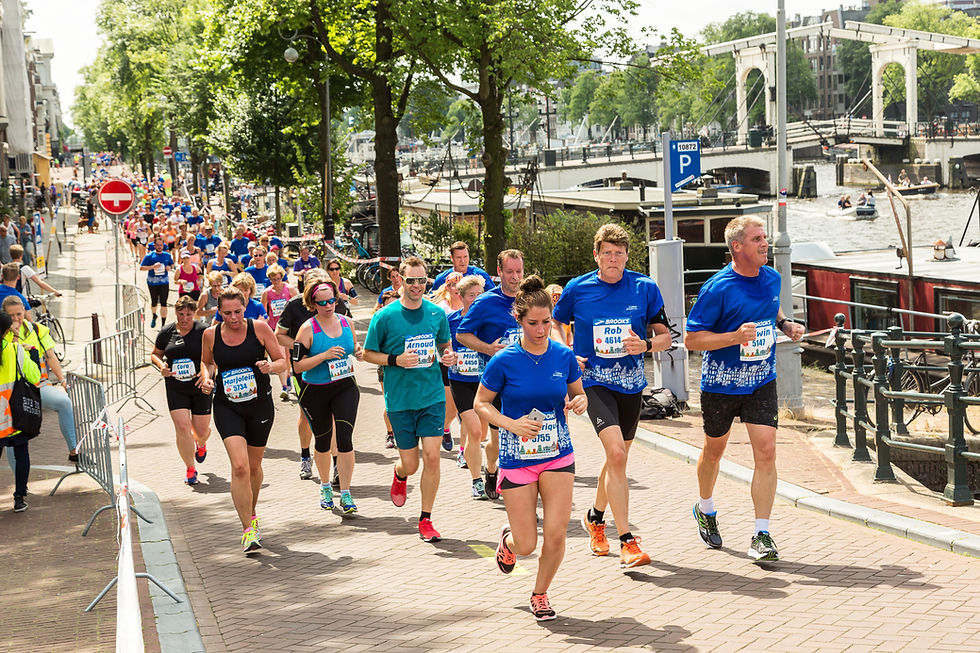
The Amsterdam Marathon has an established connection with charity fundraising, with opportunities for runners to support charitable causes through organised campaigns or independent sponsorship. Its large international field provides an attractive platform for fundraising linked to a major sporting challenge.
The organiser has previously worked with charitable fundraising programmes offering marathon entries in return for meeting a minimum sponsorship target. These arrangements can provide an alternative route into the event.
Runners who secure their own marathon entry can also raise money for a charity of their choice. This allows participants to support a cause that matters to them without relying on a dedicated charity place or accepting a specific fundraising commitment.
Anyone considering a charity entry should check directly with the relevant organisation to confirm its participation in the 2027 event and the conditions attached to its places.
Where To Stay
Amsterdam offers a wide choice of accommodation, from international hotels to smaller independent properties and budget options. For marathon visitors, the most convenient locations are generally those providing straightforward access to the Olympic Stadium and the surrounding transport network.
The Oud Zuid district is particularly attractive for runners wanting to stay close to the start and finish. The area includes residential streets, hotels and restaurants, with Vondelpark and the Museum Quarter within easy reach.
Museumplein and De Pijp provide additional options, combining cultural attractions with restaurants and public transport connections. Staying in the historic city centre offers convenient access to Amsterdam's canals and major sights, although runners should consider their journey to the starting area before booking.
Accommodation demand can be high during major events, particularly in popular central districts. Booking early is advisable for runners seeking convenient locations, especially those travelling with family or friends.
Our Verdict
The Amsterdam Marathon is an excellent choice for runners seeking a major European autumn event with strong sporting credentials and an appealing destination. Its established organisation, varied urban scenery and historic finishing venue make it attractive to experienced marathon runners and newcomers alike.
Although Amsterdam is particularly suitable for those targeting fast times, its appeal extends beyond competitive performance. The opportunity to explore the Dutch capital and take part in one of Europe's leading road races makes it a worthwhile addition to any marathon calendar.
Race Website
Affiliate disclosure: This article contains affiliate links. If you make a purchase through one of these links, Sapphire Running Zone may receive a commission at no additional cost to you.



Comments