.png)

Compression Running Products
- Jul 20, 2025
- 5 min read
Updated: Aug 5, 2025
Do compression running products make a difference?
Compression is now a huge sector with all manner of different products available from a wide variety of suppliers. What is compression and why do so many more runners wear running compression products these days? From leggings to shorts to arm sleeves to T-shirts if you want a compression product for a certain part of your body you're very likely to be able to find it. But, do they make a difference?
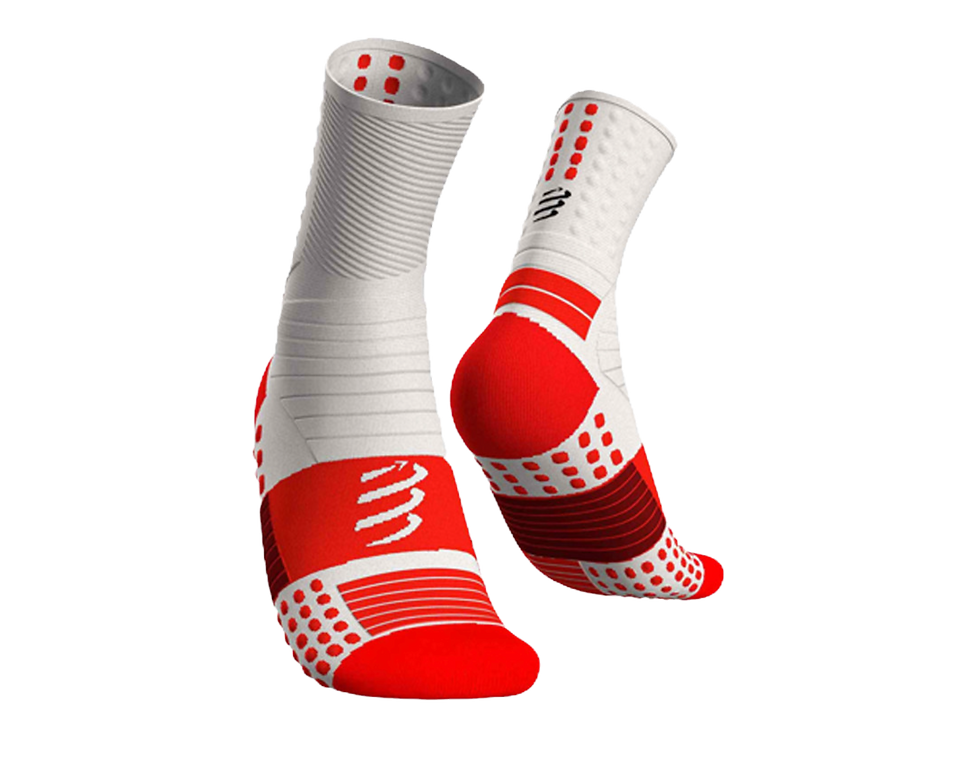
What is compression?
Compression garments are very different from standard tight fitting products you may have run in before, like leggings. They contain a stretchable and durable fabric with an engineered compression gradient that is a deliberately snug fit. They improve the return of blood to the heart while decreasing muscle oscillation. In addition to legging there are products to fit most parts of the body and they are all designed in the same way and will deliver the same benefits.
Although they look the same as standard tight fitting running products, compression garments have a number of benefits that you don't get with the likes of regular gear, such as tights. Standard running tights, or leggings, won't be as tight, and won't improve blood pressure and circulation, for example. Compression products make the same fashion statement and play the same role in cool weather running, but they have additional benefits. They are likely to be more expensive, but it's an investment that will have significant positives for many runners.
If you do go for some compression products, you'll have two options and these depend on your objectives. If you're coming back from an injury then look at supportive garments and if it is for a general workout then try therapeutic products.

How does compression work?
Compression products are a really tight fit for a reason. They work by applying pressure to the relevant muscles that then improves the flow of blood in that area. So the fit needs to be tight. Tight enough for it to work, but not too tight that it cuts off the circulation.
The way the products are designed, with specifically designed seams and panels, delivers graduated compression, with more pressure on the outer parts of your body and less as it moves up the body.
Compression products reduce movement and vibration because they wrap around the relevant muscles, so soft tissue damage is significantly reduced as a result.

Benefits of wearing compression
A key study presented in 2016, by Engel, Holmberg and Sperlich and available in the National Library of Medicine, was the first to detail the benefits of compression and had a massive impact in the growth of the sector.
'Our present findings suggest that by wearing compression clothing, runners may improve variables related to endurance performance (i.e., time to exhaustion) slightly, due to improvements in running economy, biomechanical variables, perception, and muscle temperature. They should also benefit from reduced muscle pain, damage, and inflammation.'
Reduction in muscle fatigue
Compression can help increase the amount of blood that flows back to the heart from the legs during a run, which is hugely beneficial to athletes who want to improve their endurance and overall performance. As a result of improved blood flow there can also be less cramping.
Compression products help drain lactic acid build-up, as they reduce the amount of inflammation after a run. They can help with lymph drainage. Lymph glands help to get rid of the chemicals that build up in the muscles when there is damage.This in turn will reduce soreness overall immediately after a workout and can even improve delayed onset muscle soreness. DOMS is the delayed onset muscle soreness you get after exercise and it's generally an issue after a really long training run, or after a half or full marathon.
Importantly it can reduce the amount of recovery time needed between workouts, which then impacts on the amount of days runners can be training.
Improved performance
It is possible that runners will see an improvement in their performance, but it's likely to be small. Compression technology supports key muscle groups and promotes better movement control. It can lead to increased stability and agility, as well as enhanced muscular power during exercise. This combination boosts endurance and encourages more effective training.
Reduced risk of injury
Compression gear can help minimize the risk of certain injuries by providing joint and muscle support. It helps stabilise the joints, reducing excessive movement that may lead to frustrating injuries like sprains. Compression gives controlled pressure over key areas, reducing strains that come from circulation issues, nerve pain or swollen ankles or legs. Compression reduces muscle oscillation, preventing micro-tears that cause exercise induced muscle damage.
Improve Balance
Compression can improve awareness and balance by stimulating the body's sensory receptors, which leads to improved balance for certain runners. Compression pants may give a boost to your proprioceptive function and it's this that helps with your ability to balance.
Keeps the body cool
Temperature regulation is really important, whatever climate you're running in and because many compression products are made from moisture-wicking fabrics they can help draw sweat away from the body and keep it cool. It helps cool the body during hot weather running and keeps it warm when external conditions turn cold.

Who should wear compression?
Compression products aren't designed for one particular type of runner over another. It doesn't matter if you're a beginner or experienced runner who is looking to take a few minutes off their marathon time, anyone can wear compression. It's possible that a more advanced runner might see more significant performance improvements, but that's only one of the benefits.
They are very helpful if you're recovering from an injury as they improve circulation and if you're relatively static all day they can also be beneficial for the same reason. If you have any doubts just get some medical advice.
What and for how long?
If you wanted to go running head to toe in compression gear you could. Not many do, but it is possible. There are compression shirts and shorts and the ever popular leggings and you can add sleeves, calf guards and knee length socks.

There is no recommendation as to how long you can wear compression for. If you've been recommended them by a medical practitioner then ask the question at the time. If it's a medical grade product that has been recommended that's different and will come with restrictions. Some people find the leisure products more restrictive than others do and won't feel comfortable having them on for any longer than the run or walk, but others can treat them like general leisure wear.
Is the extra cost worth it?
There is no getting away from it, compression running products are more expensive than their standard 'equivalents'. But, there is a reason and that is because they use higher grade products. They use premium quality natural and synthetic fibers and some use only Merino wool, with a fine micron-count wool. Most use a premium engineered yarn, for the inlay yarns and it's this that provides graduated compression. This is then overlaid with cotton or nylon synthetics to make it easier to get on and off. The moisture wicking qualities come from channeled polyester, blended with cotton to wick moisture away, but all of this adds to the quality, but also the cost.
This then becomes a personal decision. Are the benefits and the extra quality worth the extra expense? Remember the expected life expectancy. There is no doubt that quality does extend the life of a product and that is definitely the case with running gear.


Comments