.png)

European Marathon Classics: The Complete Guide To Europe’s Marathon Series
Updated: 2 days ago
Eight marathons. Eight European cities. Complete five of them and you can become a European Marathon Classics Finisher.
Launched in 2026, the European Marathon Classics brings together established marathons in Rome, Vienna, London, Madrid, Copenhagen, Warsaw, Lisbon and Frankfurt. Runners can choose which races they want to complete, tackle them in any order and take as long as they need to reach the five race target.
It creates a new challenge for marathon runners who enjoy combining running with travel. The series stretches from the ancient streets of Rome to the fast roads of Frankfurt, taking in eight very different cities and marathon experiences along the way. Previous finishes can also count, so some runners may have started their European Marathon Classics journey years before the series existed.

What Are The European Marathon Classics?
European Marathon Classics, often shortened to EMC, is a series connecting eight major European marathons through one running challenge. The series was officially launched at Schönbrunn Palace in Vienna on 25 February 2026, bringing together eight existing events, each with its own history, character and entry system.
You do not have to complete all eight to finish the challenge. Complete five different races and you earn European Marathon Classics Finisher status and become eligible for the European Marathon Classics medal. There is no time limit, making this a challenge that runners can build into their plans over several years rather than having to complete within a particular season.
How Does The European Marathon Classics Challenge Work?
Joining the European Marathon Classics is free, with runners registering for an EMC profile that records their progress through the series. Registration for the challenge does not give you entry to any of the eight marathons, as each event retains its own entry system and runners must secure and pay for their places separately.
That distinction is particularly important for races where demand is high. Getting a place in the London Marathon, for example, can be considerably more difficult than entering some of the other events in the series.
Each different marathon you complete takes you another step towards the challenge, with five qualifying races required to become a European Marathon Classics Finisher. You can start with any of the eight events, complete them in any order and take as long as you need.
The European Marathon Classics Medal
One of the distinctive features of European Marathon Classics is its collectible medal, with each race having its own coin representing the city. Complete five different marathons and you earn the European Marathon Classics medal, which has space for the individual race coins you collect as you progress through the series.
The medal is free for eligible finishers, but reaching five races does not have to mark the end of your challenge. You can continue towards all eight marathons and build the full collection.
Historical results are handled slightly differently, with a verified previous finish generating a digital e-coin in your EMC profile and counting towards your progress. The European Marathon Classics medal is collected in person rather than posted, so eligible runners should check the current collection arrangements before travelling to an EMC race.
Do Previous European Marathon Classics Results Count?
Previous results can count towards the European Marathon Classics challenge. EMC launched its historical results verification system on 15 July 2026, allowing runners to search for previous finishes from all eight member races and add them to their profile.
If you have already completed Rome, Vienna, London, Madrid, Copenhagen, Warsaw, Lisbon or Frankfurt, you can search for the result through your EMC account. The database includes hundreds of thousands of results covering almost 50 years of marathon history, although complete records are not available for every race and every year.
If your result cannot be found, EMC provides a process for requesting further verification. Once approved, a historical result generates a digital e-coin and counts towards the five different marathons needed to become a European Marathon Classics Finisher.
For experienced marathon runners, this is worth checking before planning any new races. Someone who had already completed five different member events before European Marathon Classics was launched could potentially have enough verified results to qualify for Finisher status.
Which Marathons Are In The European Marathon Classics?
The eight races cover very different parts of Europe and offer everything from huge international marathon weekends to fast courses and historic city routes. With events spread across spring and autumn, runners also have plenty of flexibility when deciding how to build their challenge.

Run Rome The Marathon: 14 March 2027
Rome provides one of the most spectacular settings for a marathon anywhere in the world. Run Rome The Marathon takes runners through a city filled with ancient landmarks and historic streets, with sights including the Colosseum and St Peter's Basilica contributing to a marathon experience that is difficult to replicate elsewhere. Its March date makes Rome the opening European Marathon Classic of the year and an option for runners looking for an early spring marathon.

Vienna City Marathon: 18 April 2027
The Vienna City Marathon combines a major city race with the architecture and history of the Austrian capital. First held in 1984, it has developed into one of Central Europe's best known marathons, with a route showcasing different parts of Vienna. Its position in the spring calendar gives runners another early opportunity to add an EMC finish. In 2027, Vienna takes place just one week before the London and Madrid marathon weekend, something worth considering when planning more than one European Marathon Classic in the same season.

London Marathon: 24 & 25 April 2027
The London Marathon is both a European Marathon Classic and one of the World Marathon Majors. It combines one of the world's best known marathon courses with enormous crowds and a fundraising culture that is central to the event, taking runners from southeast London towards the famous finish on The Mall. Securing a place can be more complicated than entering many European marathons, with entry routes including the ballot, charity places and qualifying categories.

Madrid Marathon: 25 April 2027
Madrid provides one of the more challenging courses in the European Marathon Classics, with the Spanish capital's climbs making sensible pacing particularly important. In return, runners get a major city race with live entertainment and a route through the heart of Madrid.
The marathon forms part of the Rock 'n' Roll Running Series Madrid weekend and gives the series a very different character from flatter races such as Frankfurt.

Copenhagen Marathon: 9 May 2027
Copenhagen takes the series north to Denmark and provides another major spring marathon. The course passes through several of the city's distinctive neighbourhoods, with enthusiastic roadside support helping to create a lively race atmosphere. Its May position makes Copenhagen the final spring race in the European Marathon Classics calendar. For runners who enjoy combining their races with exploring a new city, it adds a very different destination to Rome, Madrid or London.

Warsaw Marathon: 27 September 2027
The Warsaw Marathon moves the European Marathon Classics into its autumn season. First held in 1979, the race has a long history and takes runners through the Polish capital, where reconstructed historic districts sit alongside the city's modern skyline. Its September date makes Warsaw particularly useful for runners who want to spread their European Marathon Classics challenge across spring and autumn rather than attempting several marathons close together.

Lisbon Marathon: October 2027 (tbc)
Lisbon brings the Atlantic coast into the European Marathon Classics, offering a very different setting from the central and northern European races. Coastal scenery forms part of the marathon experience, while its October date makes it one of the autumn opportunities to add another race to your EMC challenge. Conditions can be warmer than at some of the other events in the series, making weather and pacing worth considering when planning your marathon.
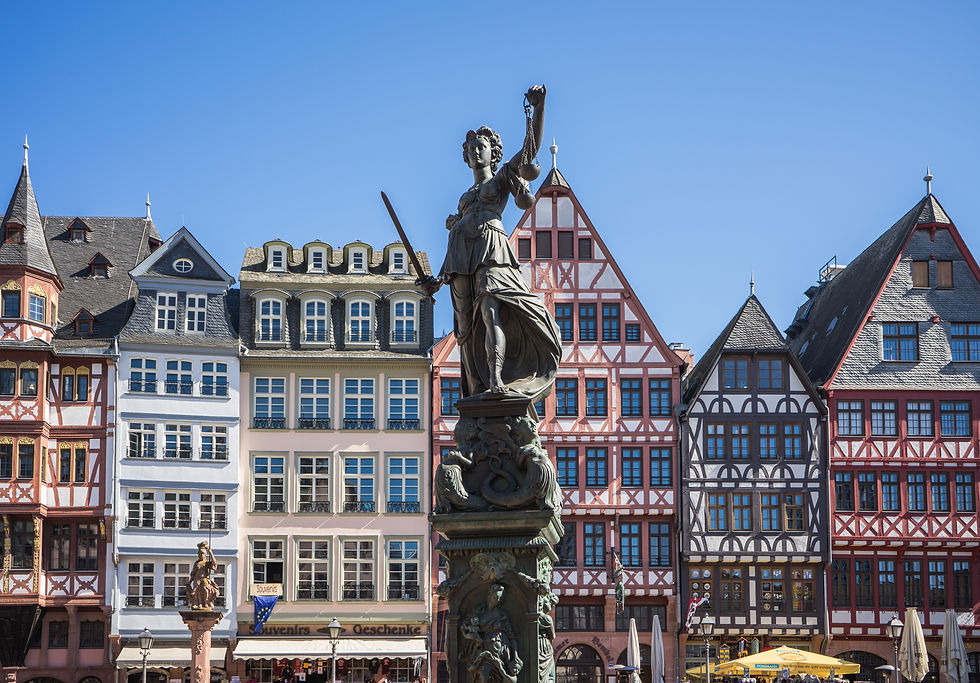
Frankfurt Marathon: October 2027 (tbc)
Frankfurt brings the European Marathon Classics calendar to a close in October. The German race has developed a strong reputation among runners looking for fast marathon times, while its indoor red carpet finish inside the Festhalle provides one of the most distinctive finishing experiences in European road running. For runners chasing a personal best as well as another European Marathon Classics finish, Frankfurt is an event worth considering.
European Marathon Classics 2027 Calendar
The 2027 European Marathon Classics calendar begins in March and continues through to the end of October, giving runners spring and autumn opportunities to add races to their challenge.
The calendar makes it possible to complete several races in a single year, although the spring schedule is particularly concentrated. London and Madrid take place on consecutive days in 2027, while Vienna is just one week earlier, so most runners targeting several Classics will need to choose carefully.
There is no requirement to rush the challenge. With no completion deadline, runners can choose events that fit naturally into their own marathon plans and return to the series in future seasons.
How To Enter The European Marathon Classics
Entering the European Marathon Classics involves two separate processes. First, you register with European Marathon Classics for free, which gives you the profile used to record qualifying results and track your progress through the challenge.
You must then secure entry into each marathon separately. Entry systems vary significantly across the eight races, with places potentially available through general registration, ballots, charity entry, qualifying routes or other official options depending on the event.
Registering for European Marathon Classics does not guarantee a place or give you priority entry into any member race.
Which European Marathon Classic Should You Run First?
There is no required starting point, so your first race can depend on the type of marathon experience you want, the time of year you prefer to race and which events you can enter. Rome combines a marathon with some of Europe's greatest historic sights, while Vienna offers another major spring city race and Madrid provides a tougher course.
Copenhagen takes the challenge into Scandinavia, while London offers one of the biggest marathon experiences in the world, but can be difficult to enter. In the autumn, Warsaw has a long marathon history, Lisbon combines running with an Atlantic destination and Frankfurt is particularly attractive to runners interested in a fast course.
Before choosing, check your previous marathon results. If you have already completed one or more of the eight races, verifying those finishes could change the route you decide to take towards five.
How Long Does It Take To Complete?
There is no time limit for completing the five different races needed to become a European Marathon Classics Finisher. That makes it possible to build the challenge around your running, travel plans and budget rather than having to fit several marathons into a short period.
You could target one race each year, complete several across a couple of seasons or simply add another Classic whenever it fits naturally into your marathon plans. For many runners, taking time over the challenge may be part of its appeal, with the eight races providing opportunities to explore very different European destinations along the way.
Can You Complete All Eight European Marathon Classics?
Five different races are enough to become a European Marathon Classics Finisher, but runners can continue towards completing all eight. The full journey takes you through Italy, Austria, the United Kingdom, Spain, Denmark, Poland, Portugal and Germany.
There is no deadline forcing you towards the eighth finish, so earning Finisher status after five does not need to change the pace of your challenge. You can continue adding races and building your European Marathon Classics collection whenever they fit into your future marathon plans.
European Marathon Classics And The World Marathon Majors
European Marathon Classics and the World Marathon Majors offer two different ways of turning individual marathons into a wider running challenge. London belongs to both series, but the European Marathon Classics remains entirely within Europe and gives runners eight races from which to build their challenge.
Five different EMC finishes are required for Finisher status and there is no time limit, while the World Marathon Majors has its own separate races, structure and awards. For runners who enjoy setting long term marathon goals, the two challenges can sit alongside each other, with a London finish potentially contributing towards both.
European Marathon Classics And SuperHalfs
SuperHalfs follows a similar idea at half marathon distance, connecting major races across European cities into a wider running challenge. European Marathon Classics takes that concept to 26.2 miles, although its rules, races and reward system are different.
Both encourage runners to explore new races and destinations rather than viewing each event in isolation. For runners who enjoy travelling for races, the two series can provide years of European running experiences to work towards.
Final Thoughts
European Marathon Classics has created an interesting new goal for marathon runners, bringing together eight established events while giving runners the freedom to choose which five form their initial journey. Rome, Vienna, London, Madrid, Copenhagen, Warsaw, Lisbon and Frankfurt provide very different marathon experiences across the spring and autumn seasons.
The absence of a time limit makes the challenge easier to build into long term running plans, while the recognition of historical results means previous marathon achievements have not been forgotten. Complete five different races and you become a European Marathon Classics Finisher, with the option to carry on and complete the full set of eight.
For runners who enjoy combining marathons with travel and having another finish line to work towards, European Marathon Classics provides a new way to explore some of Europe's established city races.


Comments