.png)

Warm Weather Running Tips: How To Stay Safe And Perform Your Best In The Heat
There's something special about running in the sunshine. The longer days, lighter evenings and chance to explore new routes make summer one of the most enjoyable times of the year to train. If you're preparing for an autumn half marathon or marathon, you'll almost certainly be doing plenty of your biggest training runs during the warmest months. Running in hot weather isn't simply a case of wearing shorts instead of tights though. As temperatures rise, your body has to work much harder to keep itself cool. You'll sweat more, lose fluids more quickly and tire sooner than you would on a cool spring morning. Without the right preparation, an enjoyable run can quickly become uncomfortable, or even dangerous.
The good news is that a few simple changes can make all the difference. Choosing the right clothing, protecting yourself from the sun, staying hydrated and adjusting your expectations will help you continue training safely throughout the summer. Here's everything you need to know.

Be Prepared
Preparation is the key to successful warm weather running. Most problems don't happen because it's hot; they happen because runners underestimate just how much difference the heat makes Your body naturally diverts more blood towards your skin to help cool you down, meaning your heart has to work harder than normal. You'll also lose far more fluid through sweating, even on runs that don't feel particularly demanding. That's why a pace that feels comfortable in April can suddenly feel much tougher in July.
Before you head out, take a moment to check both the temperature and the humidity. High humidity can often make running feel harder than a dry, sunny day because sweat evaporates more slowly, making it harder for your body to cool itself.
It's also worth thinking about your route. Can you run through parks or woodland where there's more shade? Can you include water fountains, or loop back past your home if you're doing a longer session? These small decisions can make a huge difference later in the run. If you're following a marathon training plan, remember that consistency matters far more than pace. Slowing down on hot days isn't a sign of weakness; it's simply good training.
Protect Yourself From The Sun
Most runners immediately think about the heat, but the sun itself deserves just as much respect. Even on cloudy days, ultraviolet rays can damage your skin and eyes, increasing your risk of long-term health problems. Making sun protection part of your normal pre-run routine is one of the easiest habits you'll ever develop.
Sunscreen
Before you put on your running kit, apply a good quality sports sunscreen. Unlike standard sunscreens, sports products are designed to cope with heavy sweating without running into your eyes halfway through your run. Choose one that offers protection against both UVA and UVB rays and has an SPF of at least 30, although SPF 50 provides even greater protection during prolonged exposure. Waterproof formulas are essential for runners, while many sports sunscreens also contain zinc oxide to provide extra protection on exposed areas such as the nose and ears. Don't fall into the trap of only using sunscreen on bright sunny days. UV rays penetrate cloud cover remarkably well, so your skin can still burn even when the weather feels fairly cool. Whether you're running for twenty minutes or two hours, sunscreen should always be part of your routine.
Running Cap
A lightweight running cap is one of the simplest pieces of summer running equipment you can buy, yet it makes a noticeable difference. A good cap shades your face, helps keep the sun out of your eyes and can even keep your head cooler by reducing direct sunlight. Look for lightweight technical fabrics with breathable mesh panels that allow heat to escape while wicking sweat away from your forehead. Some runners prefer visors because they allow more ventilation through the top of the head. They work well, but remember that your scalp is then exposed to the sun, so sunscreen becomes even more important. Whatever style you choose, avoid heavy cotton caps that absorb sweat and quickly become uncomfortable.
Sunglasses
Your eyes need protecting just as much as your skin. Long-term exposure to ultraviolet light has been linked to eye conditions including cataracts, while even short periods of intense exposure can cause photokeratitis, essentially sunburn on the surface of your eyes. A good pair of running sunglasses should provide complete UVA and UVB protection rather than simply making everything look darker. Modern running sunglasses are designed specifically for sport, with lightweight frames, anti-slip nose pieces and wraparound lenses that stay comfortable even over long distances.Ventilation is another important feature. Good airflow helps prevent lenses from fogging up, while wraparound designs stop sunlight entering from the sides. When choosing lens colours, remember that darker doesn't necessarily mean better. Grey lenses provide natural colour, amber lenses improve contrast on trails and brown lenses reduce glare effectively on roads. Clear lenses still have their place during darker winter months. You don't have to spend as much as you would on a pair of running shoes, but it's worth investing in a pair that fits properly and offers genuine UV protection.

Choose The Right Running Clothing
Your clothing becomes far more important once temperatures begin to climb. Technical running clothing is designed to move sweat away from your skin, allowing it to evaporate quickly and helping your body regulate its temperature more efficiently. Cotton does exactly the opposite. It absorbs moisture, becomes heavy, sticks to your skin and dramatically increases the chances of uncomfortable chafing. Look for lightweight technical fabrics with plenty of ventilation panels and moisture-wicking properties. Many premium running tops also include built-in UV protection, offering another layer of defence against the sun.
Colour matters too. White and lighter shades reflect sunlight far better than black or dark colours, helping you stay cooler throughout your run. Don't dismiss merino wool simply because it's often associated with winter. Lightweight merino is surprisingly effective during summer thanks to its excellent temperature regulation and moisture management.
Summer weather can also be unpredictable. Early mornings and late evenings may still require a lightweight long-sleeved top, while a packable waterproof jacket is invaluable if a shower suddenly appears during your run. These same layers will become useful again once autumn arrives.
Running tights remain surprisingly popular during warmer months as modern fabrics are incredibly lightweight and many runners find they reduce chafing over longer distances. Likewise, sports bras and technical underwear are available in highly breathable summer versions that prioritise ventilation without sacrificing support. Whatever you wear, comfort and breathability should always come before fashion.
Don't Ignore Your Socks
Socks rarely get the attention they deserve, but they can make or break a summer run.
Cotton socks absorb sweat throughout your run, leaving your feet damp and increasing friction inside your shoes. That's the perfect recipe for blisters.
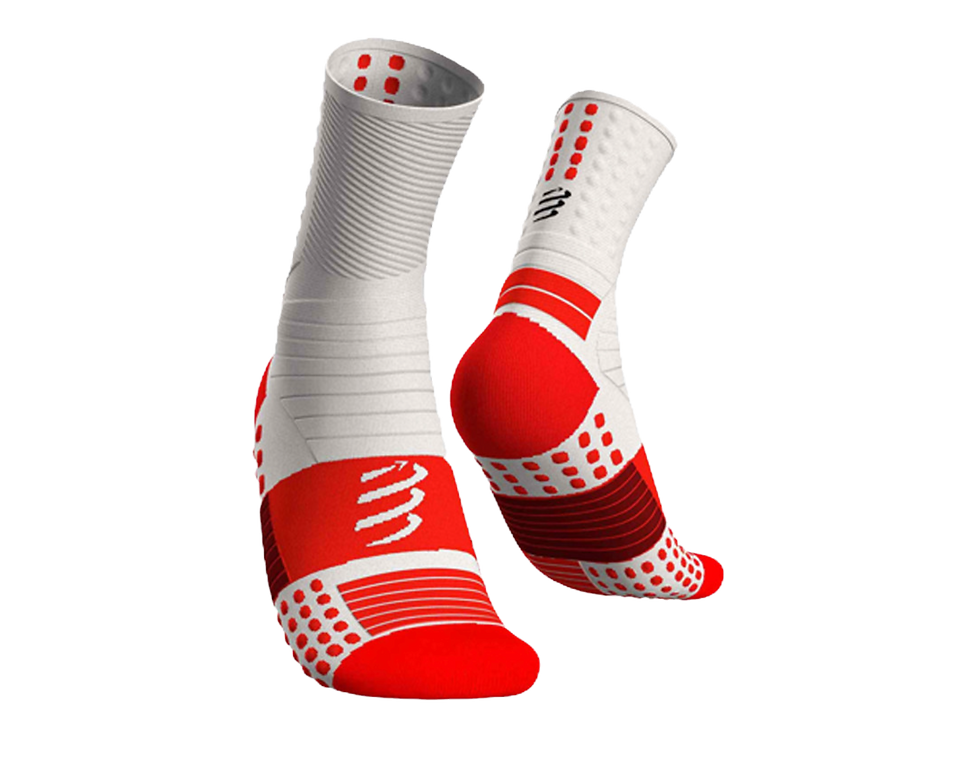
Technical running socks use specialist fibres that wick moisture away from your feet while improving ventilation. Flat seams reduce rubbing, while targeted cushioning protects the areas that experience the greatest impact. They cost more than everyday socks, but once you've experienced the difference on a long summer run, you'll never want to go back.
No-show and ankle-length socks are particularly popular during hot weather, although the right choice ultimately comes down to personal preference.
Wear Breathable Running Shoes
Not every running shoe performs equally well in the heat. Many modern shoes feature highly breathable engineered mesh uppers that allow air to circulate freely around your feet. Better airflow means less heat build-up, less sweating and greater comfort during longer runs. If you're buying a new pair for summer training, don't simply choose the lightest model available. Comfort, support and fit should always come first. A breathable upper is a welcome bonus, but it should never come at the expense of choosing the right shoe for your running style.
If your current shoes already fit perfectly, there's usually no need to replace them purely because the weather has changed.
Stay Hydrated
Hydration is probably the biggest difference between running in cool weather and running in the heat. For shorter runs of around twenty minutes, carrying water is rarely necessary, although starting your run well hydrated always is. Once your runs become longer, particularly if you're training for a half marathon or marathon, you'll need a proper hydration plan.
Some runners prefer carrying a handheld bottle, while others find hydration belts more comfortable. If you're spending several hours on your feet, hydration vests have become increasingly popular because they distribute weight evenly and allow you to carry both water and nutrition without affecting your running form.
Planning your route can also help. Passing water fountains, looping back past your home or leaving bottles along quiet sections of your route are all perfectly sensible strategies.
Remember that you're not only losing water through sweat. During longer runs you'll also lose important electrolytes such as sodium, particularly if you're a heavy sweater. Sports drinks or electrolyte tablets can help replace these losses during prolonged sessions.
Don't wait until you feel thirsty before drinking. Thirst is usually a sign that dehydration has already begun.

Adjust Your Pace
One of the hardest lessons for runners to learn is that summer isn't the time to chase personal bests. Heat naturally raises your heart rate, meaning the same pace requires more effort than it would during cooler weather. Trying to force your usual training pace often leads to exhaustion, dehydration and disappointing runs.
Instead, run by effort rather than pace. Slow down when conditions demand it and accept that your watch may show slower splits than usual.Many experienced runners also choose to head out much earlier in the morning or later in the evening, avoiding the hottest part of the day altogether. Not only will you enjoy the run more, but you'll recover more quickly afterwards. Remember, the purpose of training is to build fitness, not to prove how tough you are.
Listen To Your Body
Perhaps the most important piece of advice is also the simplest. If something doesn't feel right, stop. Dizziness, chills, confusion, nausea, headache or an unusually rapid heartbeat can all be warning signs that your body is struggling with the heat. Continuing to run can quickly turn a minor problem into a medical emergency.
There's no shame in cutting a run short, finding some shade or walking home. Missing a few miles is far better than missing weeks of training because you've pushed yourself too far.
The heat will always be there tomorrow.
Enjoy Your Warm Weather Running
Warm weather running can be one of the most rewarding parts of the training year. Quiet early mornings, stunning sunsets and dry trails make summer a fantastic time to build fitness and enjoy being outdoors. Respect the conditions, prepare properly and adjust your expectations when temperatures climb. Protect yourself from the sun, wear technical clothing, stay hydrated and remember that slower summer miles still contribute to your long-term goals.
Train smart rather than stubbornly and you'll arrive at your autumn races fitter, healthier and ready to perform at your best.



Comments