.png)

What Is Base Building In Running? Why Every Runner Needs It
Many runners are eager to start speed sessions, hill repeats and race-specific training as soon as they set a new goal. While there's certainly a place for those sessions, they're most effective when they're built on a solid foundation. That's where base building comes in.
Base building is one of the most important phases of any training plan, yet it's often overlooked because it doesn't feel particularly exciting. There are no all-out intervals or race pace efforts, and progress can seem slow. However, investing time in building your aerobic base can make you a stronger, more efficient runner and help reduce your risk of injury over the long term. Whether you're training for your first 5K or your tenth marathon, understanding base building can help you get much more from your running.

What Is Base Building?
Base building is a period of training that focuses on developing your aerobic fitness before introducing more demanding workouts. The emphasis is on running consistently, gradually increasing your mileage and completing the majority of your runs at an easy, conversational pace.
Rather than chasing personal bests every week, you're giving your body time to adapt to regular training. During this phase, your heart, lungs, muscles and connective tissues all become better equipped to cope with the demands of running. Think of it as laying the foundations for a house. Without strong foundations, everything built on top becomes less stable. The same principle applies to running.
Why Is An Aerobic Base So Important?
Running is predominantly an aerobic activity, particularly when you're covering distances from 5K upwards. A stronger aerobic system allows your body to use oxygen more efficiently, meaning you can maintain your pace for longer before fatigue begins to take over.
A well-developed aerobic base can also improve your running economy, allowing you to cover the same distance while using less energy. Over time, this translates into better endurance and often faster race performances, even though much of your training has been completed at relatively comfortable speeds. Many runners are surprised to discover that running slower for several weeks can eventually help them run faster.
Base Building Helps Prevent Injuries
One of the biggest advantages of base building is that it allows your body to adapt gradually to increased training loads. While your cardiovascular fitness improves relatively quickly, your muscles, tendons, ligaments and bones take much longer to strengthen. Increasing training intensity before these tissues have adapted can increase the likelihood of overuse injuries.
By focusing on consistent, manageable mileage, you're giving your body the opportunity to become more resilient before introducing harder sessions. This gradual approach is particularly important for new runners and anyone returning after an injury.
What Does A Base Building Phase Look Like?
Although every runner's training will be different, most base-building plans share similar characteristics. The majority of runs are completed at an easy pace where you could comfortably hold a conversation. Weekly mileage increases gradually rather than dramatically, and consistency becomes more important than individual sessions.
Long runs are introduced or extended steadily, helping your body become accustomed to spending more time on your feet. Some runners also include gentle strides towards the end of easy runs to maintain good running form without creating significant fatigue. The focus is on developing fitness patiently rather than chasing fast times.
How Long Should You Spend Base Building?
The answer depends on your experience and your goals. If you're completely new to running, you may spend several months simply developing consistent running habits before beginning structured speed work. Experienced runners often dedicate six to twelve weeks to base building before starting a race-specific training block. Even elite runners return to base-building phases between racing seasons to rebuild their aerobic fitness before increasing intensity again.
The important thing is not to rush the process. A strong base continues to benefit your training long after the base-building phase has finished.
Should You Avoid Speed Work Completely?
While the focus should remain on easy running, that doesn't mean every run has to be identical. Many runners include short strides once or twice each week to maintain leg speed and efficient running mechanics. These controlled accelerations are very different from demanding interval sessions and shouldn't leave you feeling exhausted.
Some experienced runners may also include occasional tempo efforts during longer base-building periods, but high-intensity interval training is generally limited until a solid aerobic foundation has been established. The goal is to prepare your body for harder training, not perform the harder training itself.
Strength Training Still Matters
Base building doesn't only involve running. It's also an excellent opportunity to establish a regular strength training routine. Exercises that strengthen your legs, glutes, core and hips help improve running efficiency while reducing injury risk. Bodyweight exercises are a great place to start, while gym-based sessions can provide additional benefits as your strength develops.
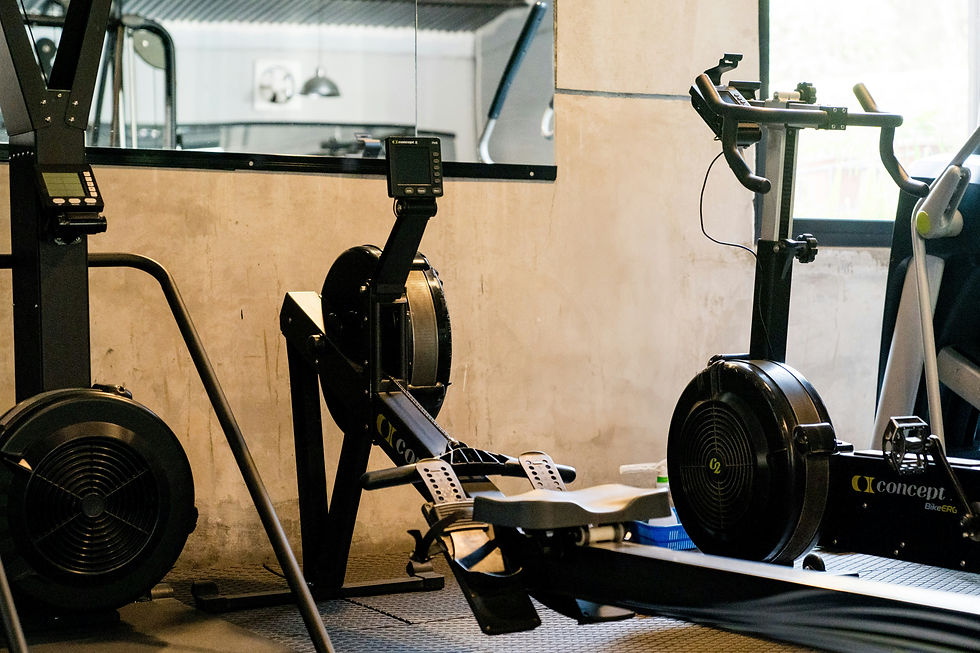
Cross-training activities such as cycling, swimming or using a rowing machine can also complement your running by improving aerobic fitness without placing the same impact on your joints. These activities should support your running rather than replace it.
Common Base Building Mistakes
One of the most common mistakes is running easy days too fast. Many runners allow their comfortable pace to creep upwards because they feel they should be running harder. Unfortunately, this often leads to unnecessary fatigue and reduces the quality of future training sessions.
Another mistake is increasing weekly mileage too quickly. Enthusiasm is a wonderful thing, but your body needs time to adapt. Gradual progression almost always produces better long-term results than trying to make rapid improvements. Some runners also become impatient because they aren't seeing immediate improvements in pace. Base building is about developing long-term fitness rather than short-term speed. The rewards usually become apparent once structured training begins.
How Do You Know You're Ready To Move On?
There isn't a single test that tells you your base is complete, but there are several encouraging signs. Your easy pace may naturally become a little quicker while still feeling comfortable. Long runs feel less demanding, you're recovering well between sessions and you're able to run consistently without persistent soreness or fatigue.
If you're comfortably handling your planned weekly mileage and remaining injury-free, you're usually ready to introduce more structured workouts as part of a race-specific training plan.
Final Thoughts On Base Building In Running
Base building isn't the most glamorous part of running, but it may be the most important. Spending time developing your aerobic fitness, increasing your mileage gradually and building consistency creates the platform for everything that follows.
Whether your goal is to complete your first 5K or achieve a marathon personal best, a strong aerobic base allows you to handle harder training more effectively while reducing your risk of injury. It requires patience, but the runners who commit to base building are often the ones who continue making progress year after year. Instead of rushing towards speed sessions, invest time in your foundations. Your future self will almost certainly thank you for it.


Comments