

The Mental Health Benefits of Running: How Running Can Improve Your Wellbeing
Running isn't just about getting fitter, running faster or preparing for your next event. For many people, one of the most valuable reasons to run is how it makes them feel. A short run can provide a welcome break from everyday pressures, an opportunity to spend time outdoors and the satisfaction of doing something positive for yourself.
Research has found that regular physical activity can support mental health, with benefits that include reduced symptoms of depression and anxiety, improved sleep and better overall wellbeing. Whether you're a complete beginner or have been running for years, finding a routine that suits your lifestyle can make running a rewarding part of looking after both your physical and mental health.

How Does Running Affect Mental Health?
The relationship between running and mental health involves more than one process. Exercise affects the body's physiological systems, while the experience of running can also provide psychological and social benefits. These may include a sense of achievement, opportunities to meet people and time away from everyday responsibilities.
Researchers have investigated the role of endorphins, endocannabinoids and other biological processes in the way exercise influences mood. However, there is no single explanation for why people sometimes feel better after running, and the effects can vary considerably between individuals.
Running Can Help Reduce Symptoms of Depression and Anxiety
One of the strongest areas of research concerns the relationship between exercise and symptoms of depression and anxiety. Studies have found that regular physical activity can reduce symptoms of both conditions, with aerobic exercise, including running, among the activities that may be beneficial.
Running can provide a manageable goal, introduce structure into the week and create opportunities for positive experiences. For someone experiencing low mood, completing a short session or spending time with a running group may provide a sense of accomplishment and connection with others.
However, running is not a guaranteed treatment, and people experiencing depression or anxiety may find it difficult to exercise consistently. Professional mental health support remains important, and running can be considered alongside other appropriate treatments rather than as a replacement for them.
Running Can Help Manage Everyday Stress
When life becomes demanding, running can offer an opportunity to spend time away from work, responsibilities and other pressures. Even a relatively short session may provide a change of surroundings and a chance to concentrate on something different.
Some runners use this time to think through problems, while others prefer to switch off and enjoy the movement. Running at a comfortable pace, particularly in a familiar or enjoyable environment, can provide a sense of calm without requiring a specific goal or training target.
Although running cannot remove the underlying causes of stress, it may help people manage how they respond to them. Having an activity that provides enjoyment and a regular break from daily demands can become an important part of maintaining wellbeing.
Running Can Improve Your Mood
Many runners describe feeling more positive or relaxed after completing a session. This may be partly related to biological responses to exercise, but psychological factors such as enjoyment, achievement and a change of environment can also contribute.
The term runner's high describes the feelings of euphoria or relaxation that some people experience during or after running. Researchers have investigated the involvement of the body's endocannabinoid system, although the precise mechanisms behind this experience are still being studied.
Not everyone experiences a runner's high, and it is not necessary to achieve one to benefit from running. Feeling satisfied after completing a session, enjoying time outdoors or simply having a break from routine can all make the activity worthwhile.
Running Can Support Better Sleep
Sleep plays an important role in emotional wellbeing, concentration and general health. Research suggests that regular physical activity can improve several aspects of sleep, including perceived sleep quality, although the effects vary between individuals.
For some people, running provides a helpful addition to their daily routine and makes it easier to maintain regular activity and rest patterns. Others may find that the timing or intensity of their exercise influences how well they sleep.
Adequate recovery is also important, particularly when training becomes more demanding. Running should support healthy sleep habits rather than regularly leaving you overtired or struggling to recover between sessions.
Running Can Build Confidence and Self Esteem
One of the most satisfying aspects of running is discovering that you can achieve something you previously thought was beyond your abilities. For a beginner, that might mean running continuously for a few minutes, completing a first 5K or simply establishing a regular routine.
These achievements provide visible evidence of progress, which may help develop confidence in your ability to learn new skills and overcome manageable challenges. Unlike many everyday activities, running can make improvement relatively easy to recognise, particularly during the early stages.
However, confidence should not depend entirely on running performance. Slower sessions, missed training days and periods of rest are normal, and maintaining a positive relationship with exercise is more important than continually achieving new personal bests.
Running Can Create Friendships and Reduce Isolation
Running offers opportunities to meet people who share a common interest, regardless of their background or experience. Local running clubs, beginner groups and community events can provide welcoming environments where friendships develop through regular participation.
Having others to run with can make exercise more enjoyable and provide encouragement during difficult periods. For people experiencing loneliness or social isolation, becoming involved in a running community may also create opportunities for meaningful social contact.
Of course, not everyone wants to run with a group. Some people particularly value the independence of running alone, while others enjoy a combination of individual sessions and social activities. Both approaches can have a place in a healthy running routine.

Running Can Encourage Mindfulness
Running can create opportunities to pay attention to the present moment. Focusing on the rhythm of your footsteps, your breathing or the surroundings can provide a temporary break from repetitive thoughts and distractions.
For some people, running outdoors makes this easier. Spending time in a park, woodland or other natural setting may provide an enjoyable change from indoor environments and busy daily routines.
This does not mean that running automatically produces the same benefits as a structured mindfulness practice. However, paying attention to the experience rather than concentrating solely on distance or speed can be one way of making a run more relaxing.
Running May Support Memory and Concentration
Regular physical activity is associated with benefits for cognitive health, including aspects of memory, attention and executive function. Research suggests that aerobic exercise can contribute to maintaining brain health, although the findings vary according to age, activity levels and the abilities being measured.
Some runners also report feeling mentally refreshed after exercise, particularly when they have spent much of the day concentrating on work or other responsibilities. Taking time away from demanding tasks may contribute to this experience.
It is important to distinguish these personal experiences from proven improvements in cognitive performance. Running should not be expected to produce immediate changes in memory or concentration, but it can contribute to an active lifestyle associated with better long term health.
Running Can Help Develop Resilience
Starting a running programme often involves learning to deal with challenges. Progress may be slower than expected, some sessions will feel harder than others, and there may be occasions when plans need to change.
Working towards realistic goals can help runners develop patience and a greater willingness to adapt when things do not go as expected. Successfully completing a challenge may also increase confidence in their ability to approach other demanding situations.
However, there is limited evidence that running automatically makes someone more resilient in every area of life. The potential benefit comes from the individual's experience of managing challenges, rather than simply accumulating miles.
Running for Charity Can Provide an Additional Sense of Purpose
For some people, running becomes particularly meaningful when it is connected to a cause they care about. Taking part in an event for charity can turn a personal challenge into an opportunity to support others, providing motivation beyond achieving a particular finishing time.
Charity running can also create opportunities for social connection. Fundraising activities, shared training experiences and encouragement from supporters can help runners feel part of a wider community working towards a common goal.
There can be additional pressures associated with fundraising targets and event preparation, so choosing a realistic challenge is important. When approached positively, running for charity can combine personal achievement with the satisfaction of making a contribution to something meaningful.
How Much Running Do You Need to Benefit Your Mental Health?
You don't need to train for a marathon or run every day to experience the potential mental health benefits of exercise. Research suggests that benefits can occur at relatively modest levels of physical activity, particularly among people who are currently inactive.
If you're new to running, alternating short running intervals with walking is a practical way to begin. Gradually increasing the amount you run can help you build fitness while keeping the experience manageable and allowing time for recovery.
The most important consideration is finding an approach that works for you. A sustainable routine that fits around your responsibilities and leaves you feeling positive about exercise is likely to be more useful than an ambitious schedule that becomes another source of pressure.
Can Running Have a Negative Effect on Mental Health?
Although running can support mental wellbeing, there are circumstances in which it may contribute to additional stress. Pressure to achieve particular times, maintain running streaks or meet demanding training targets can sometimes undermine the enjoyment that originally attracted someone to the activity.
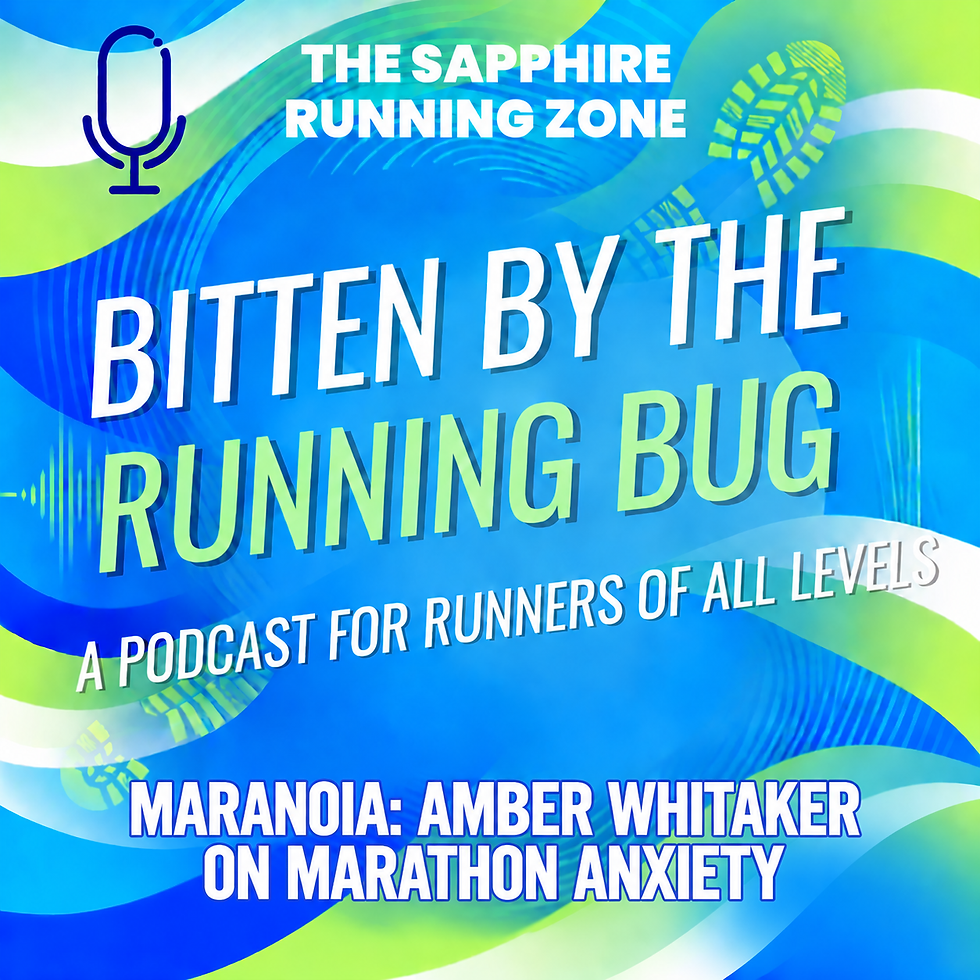
Maranoia is a term commonly used by runners to describe the anxiety and self doubt that can develop in the weeks leading up to a marathon or another major running event. Runners may become unusually concerned about minor aches and pains, catching an illness or whether they have completed enough training to reach the finish line. These worries can be particularly noticeable during the tapering period, when training distances are reduced ahead of race day, and demonstrate how preparing for a major event can sometimes increase stress rather than relieve it.
Injuries and interruptions to training can also be emotionally difficult, particularly for people who rely heavily on running to manage their mood. Maintaining other interests, friendships and ways of coping with stress can help when running is temporarily unavailable.
A healthy relationship with running allows room for rest, flexibility and changing priorities. If exercise begins to cause significant anxiety, guilt or distress, seeking appropriate support and reconsidering training expectations may be beneficial.
Final Thoughts
The mental health benefits of running extend well beyond the satisfaction of completing a workout. From helping manage everyday stress and supporting better sleep to building confidence and creating friendships, running offers several ways to contribute to mental wellbeing.
Perhaps the greatest benefit is finding an activity that gives you something positive to look forward to. Whether you're taking your first steps as a runner, enjoying a regular route or preparing for a charity challenge, running can become a rewarding part of looking after yourself.


Comments