.png)

What To Wear When Running In The Heat
- Jul 20, 2025
- 5 min read
Updated: Aug 6, 2025
Our warm weather running guide will make sure you don't overheat!
If you live somewhere that's pretty much hot all the time you'll know how to stay cool when running, but for those of us in a climate where it's almost a treat to run in the warmth then you'll need to take a very different approach than you do in winter. We'll go through the options here and give you the best advice on how to make the most of running on warmer days.

Be prepared
There's nothing better than going for a run in the sun, but it can soon turn into something memorable for all the wrong reasons if you're not prepared. Making sure that you don't overheat, you stay hydrated and you protect yourself from the sun's rays are all part of this preparation. If you're training for a fall marathon you'll be doing plenty of miles over the summer months, which can be an absolute pleasure. Be prepared for warm days and make sure you make every run a pleasure.
Protection from the sun
Sunscreen
It might not always feel like it but the sun can do you serious damage even when it's not sunny. Before you put any of your warm weather running gear on you need to put on your sunscreen. It needs to be sports sunscreen that protects against UVA and UVB rays and it needs to have a high SBF number like 30 upwards. It must be waterproof to prevent it getting in your eyes as you sweat. Most sport sunscreens also contain zinc oxide for extra protection. Many sportspeople who are outside in the sun for extended periods will also use zinc oxide on its own, especially on ears and the nose.
It doesn't matter how short or long your run, always make sure you have applied sunscreen.
Running cap
Another form of protection against the sun is a good running cap. It needs to be lightweight and designed for the job. Good running caps have mesh panels and they are loose fitting. Some runners prefer visors as opposed to caps. If you wear a visor then make sure you apply sunscreen on areas of your head that are still exposed to the sun.

Sunglasses
The third part of our protection against the sun is a good pair of sunglasses. Keeping your eyes safe from sun damage is really important. Ultraviolet light can take its toll on both cloudless days and when the skies are gloomy; those days can be even more dangerous for your eyes. It's not just the hot sunny days we need to be concerned about.
It's essential that you get a pair that offer full protection from both UVA and UVB radiation. Overexposure to UV light can cause significant eye damage and eye conditions and diseases like cataracts and potentially cancer. That makes ensuring maximum UV protection your number one priority. Too much exposure to UV over a short amount of time can cause photokeratitis, which is essentially sunburn to the eyes.
You also need to consider the comfort, fit, anti-fogging and lens tint. Specialist running glasses now have non-slip nose pads, super-lightweight adjustable frames, interchangeable lenses and careful design to ensure ventilation and prevent fogging. Wraparound models offer the best coverage from side to side. For these reasons, look for a pair of sunglasses that offers the best protection for your individual face shape and remember that UV rays can reach your eyes from all angles. You should also consider your preferred lens tint. The tint of your sunglasses can help to reduce glare, but it's not just a case of the darkest colour will deliver the best protection. Yellow, orange, rose, brown, grey and amber tinted lenses are more popular for running, with amber a preferred option for trail running. Clear is popular in winter when the sun isn't as bright.

Clothing
Whether you're running in summer or winter there are a number of factors to consider when you're buying your running clothing. it needs to be breathable, with lots of mesh vents, it needs to be able to wick moisture away from your body and it needs to dry quickly. For summer gear it should also have built in UV protection, to protect you from the sun. The choice of colour also differs in the summer. Go for white and light shades, rather than black or darker shades. The lighter shades reflect the sun and the darker ones definitely don't!
Don't choose cotton! Rather than wicking moisture away from the body and keeping you cool, it does the opposite. It gets wet and progressively heavily and can lead to lots of rubbing. Wool is a material that wicks sweat away really effectively and although it's a material more associated with the colder months it's idea for summer running gear.
It's not all T-shirts and shorts in the warmer months though. Evenings may be a bit cooler and then it's time for the long sleeved thin shirts and if there is rain around go for a really lightweight running jacket. You can then use these in the colder months as part of your layering system. Check that out here
Tights are still popular in summer as they are now super lightweight and don't cause chaffing. Compression tights also have additional benefits that make them a must have for many runners. They come in full and three quarter length. Running shorts come with a multitude of options, some much briefer than others!
When it comes to underwear again avoid cotton. There are ranges of underwear manufactured just for runners and the range of sports bras include those designed for the warmer months. There are plenty of choices. Just remember that ventilation is key.
Socks
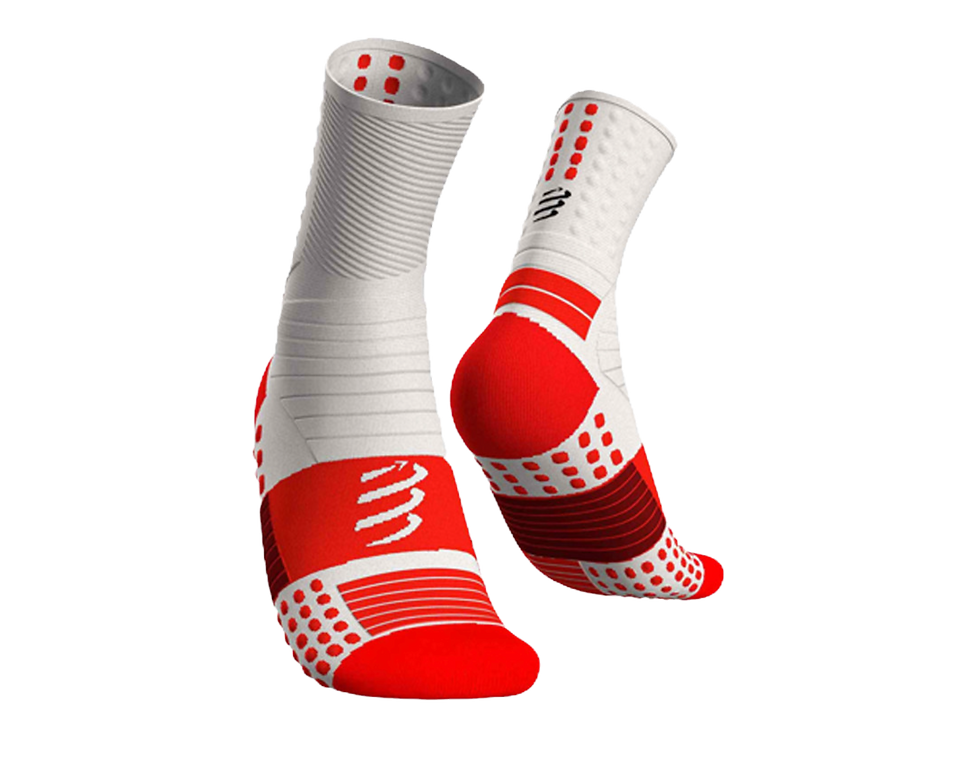
Don't even think about wearing cotton socks. They absorb moisture and will get wetter as your run progresses. This will be seriously uncomfortable and could well lead to blisters. You need to grab some pairs of technical socks that are designed to keep your feet cool and that wick moisture away from your feet. These will have ventilation where you need it along with mesh and flat seams.
They obviously cost more than cotton socks but they are absolutely worth every cent. They are available in a multitude of different styles and colors, with no show and anklet options being especially popular when it's really hot.

Shoes
Some shoes are better for winter runs and some are better in the summer. To an extent this depends on the fabric used in the manufacture of the upper. Some have more breathable fabrics than others and some have more mesh vents than others. The more breathable the fabric and the more vents, the more airflow around your foot as you're running.
A lighter shoe is also good for the summer, as long as it ticks all the boxes that you need.
Hydration
If you're heading out for a short run of 20 minutes or less, hydration isn't a big issue, but if you're out for a while then you need to seriously consider how you're going to hydrate. All runners need to drink before they run, irrespective of distance, but if you're planning a long run in the heat then you need to make sure you have access to water. If you're able to put some water in places along the route that's a great option; it's unlikely, but it does happen. If you have to take it with you then you have a few options. One is to carry a bottle, which isn't ideal as it can affect your running style, or you can wear a hydration belt that can hold bottles. Make sure you get one that's ergonomically designed. If you are going to run a decent distance then think about a hydration vest, or gilet, as these hold both bottles and bags of water, accessed via tubes.



Comments